Minima Formalia
Minor Details and Empty Gestures
20 May 2026, Berlin Institute for Cultural Inquiry (ICI).
Organized by Nicolas Helm-Grovas, Jasmine Pisapia, Angelica Stathopoulos, and Verónica Stedile Luna
With Alvina Chamberland, Rebecca Comay, Julian Isenia, Esther Leslie, Peter Szendy, Jule Flierl, Natascha Sadr Haghighian
This event takes an interest in minutiae at the levels of aesthetics, ethics, and politics. It invites smaller-scale perspectives to interrogate the interrelations between form and content, and asks how aesthetics forms theory and how theory performs politics. Gravitating around those details that are often seen as inconsequential and unimportant, this conference gestures towards alternative ways of imagining and enacting form, performance, and the formless. Through the lenses of dust, drops, and gaps, reality looks different—blurred, unclear. Minima Formalia asks what role details play in understanding or altering our worldview, and whether one can make a grammar of small or empty gestures. Is the small, the unknown, the overlooked by definition better or more interesting than the big, the known, the noticed? Or does the devil lie in the details?
Register here.
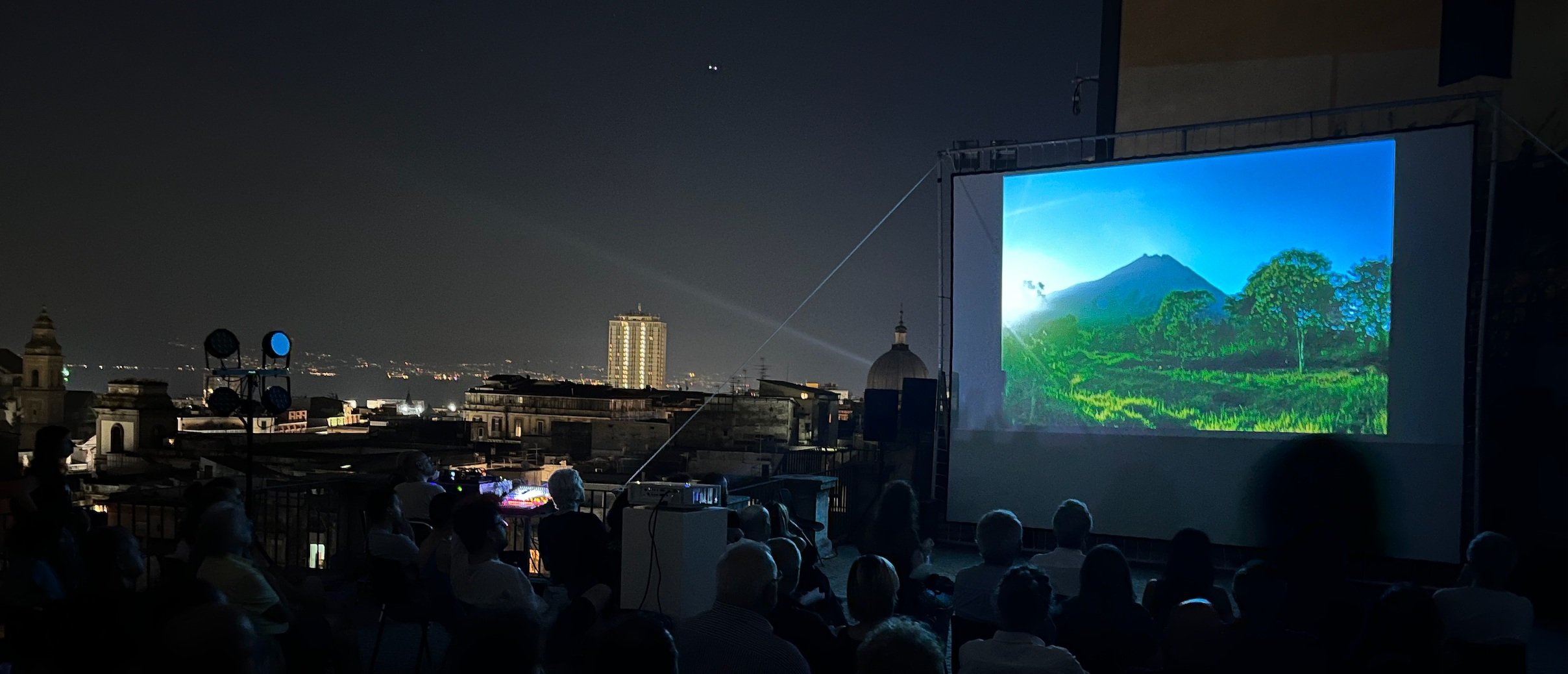
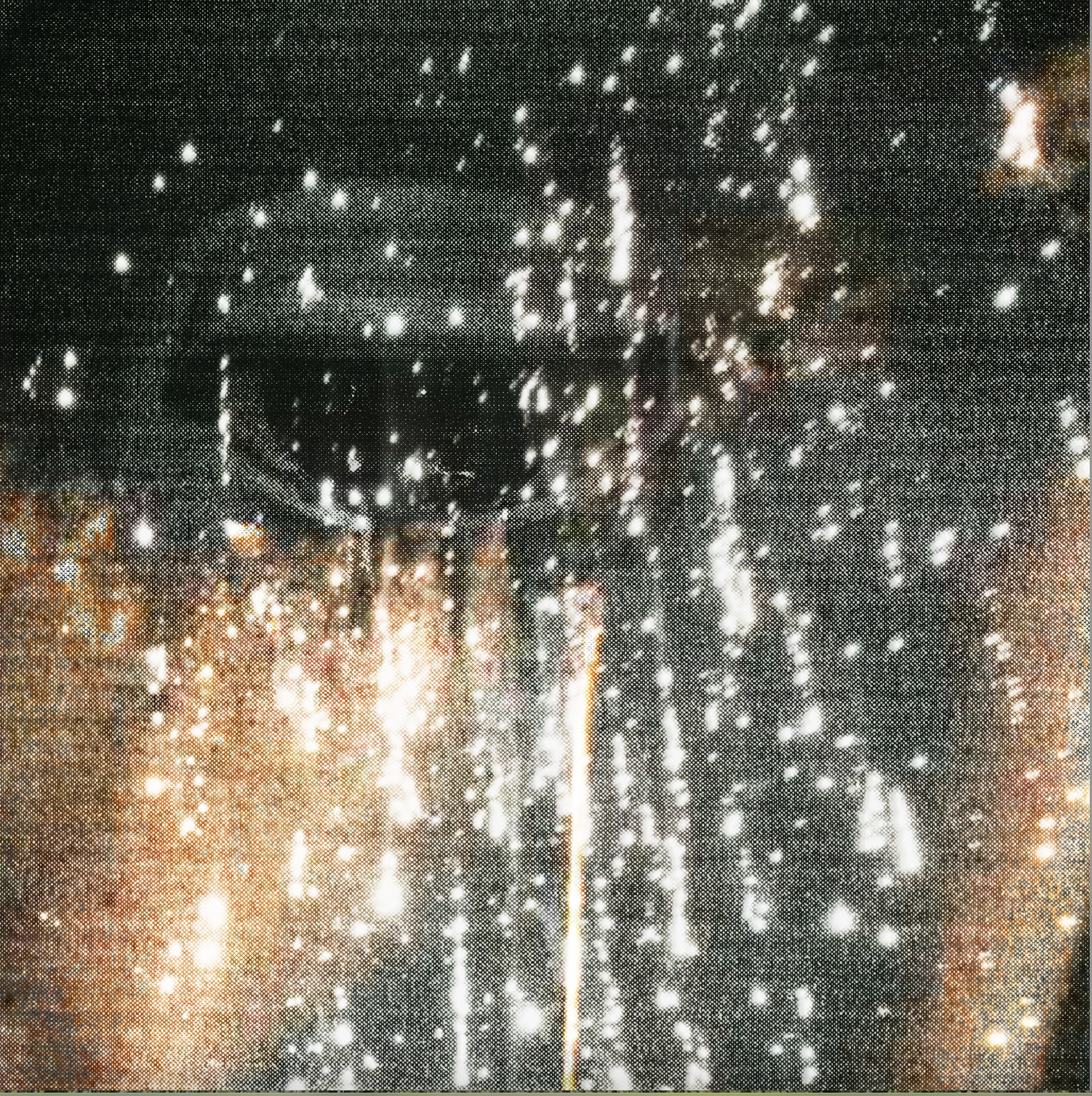
Image credit © Tommaso Pandolfi, artwork for Furtherset’s album Wounds of Melody, Kohlhaas, 2025

OVEREXPOSED: Sandra Lahire's Anti-Nuclear Trilogy
A screening of ecofeminist films curated and organized by Jasmine C. Pisapia:
Plutonium Blonde | UK, 1987. 15 minutes, Colour, Stereo. Original format: 16mm
Uranium Hex | UK, 1987. 11 minutes, Colour, Magnetic, 4:3. Original format: 16mm
Serpent River |UK, 1989, 30 mins, Colour, Original Format: 16mm
“SANDRA LAHIRE (1950-2011) was a central member of the lesbian, feminist experimental filmmaking community in London in the 1980s and 1990s. Marked by corporeal vulnerability – her own, that of the female body, the body of the earth, the body of film – Lahire’s work proposes a comparison between the violence committed by patriarchal society against women and that committed by humans against the non-human world. Her four anti-nuclear 16mm films echo the feminist anti-nuclear, anti-war movement at the time. Formally, they merge documentary, performance, animation, experimentation (superimposition – both in camera and on the optical printer – re-filming, colourisation, changes of speed, layering of sounds). “Kaleidoscopic” is a word that many texts use to describe her work.” – Excerpt from Maria Palacios Cruz's introduction to Living on Air: the Films and Words of Sandra Lahire.
This public screening was presented in the context of the seminar ANTH 402: Topics in Ethnography: Toxic Landscapes taught by Jasmine C. Pisapia at McGill University’s Department of Anthropology and has been generously supported by the Leadership for the Ecozoic (L4E). The films presented in this program are distributed by LUX in London.

The screening was followed by a panel discussion with Lisa Stevenson, Ariane Lorrain, Amélie Ward (Critical Media Lab, McGill) & filmmaker and scholar Cathy Lee Crane (Ithaca College) & was moderated by Thalia Danielson and Catherine Zambrano.

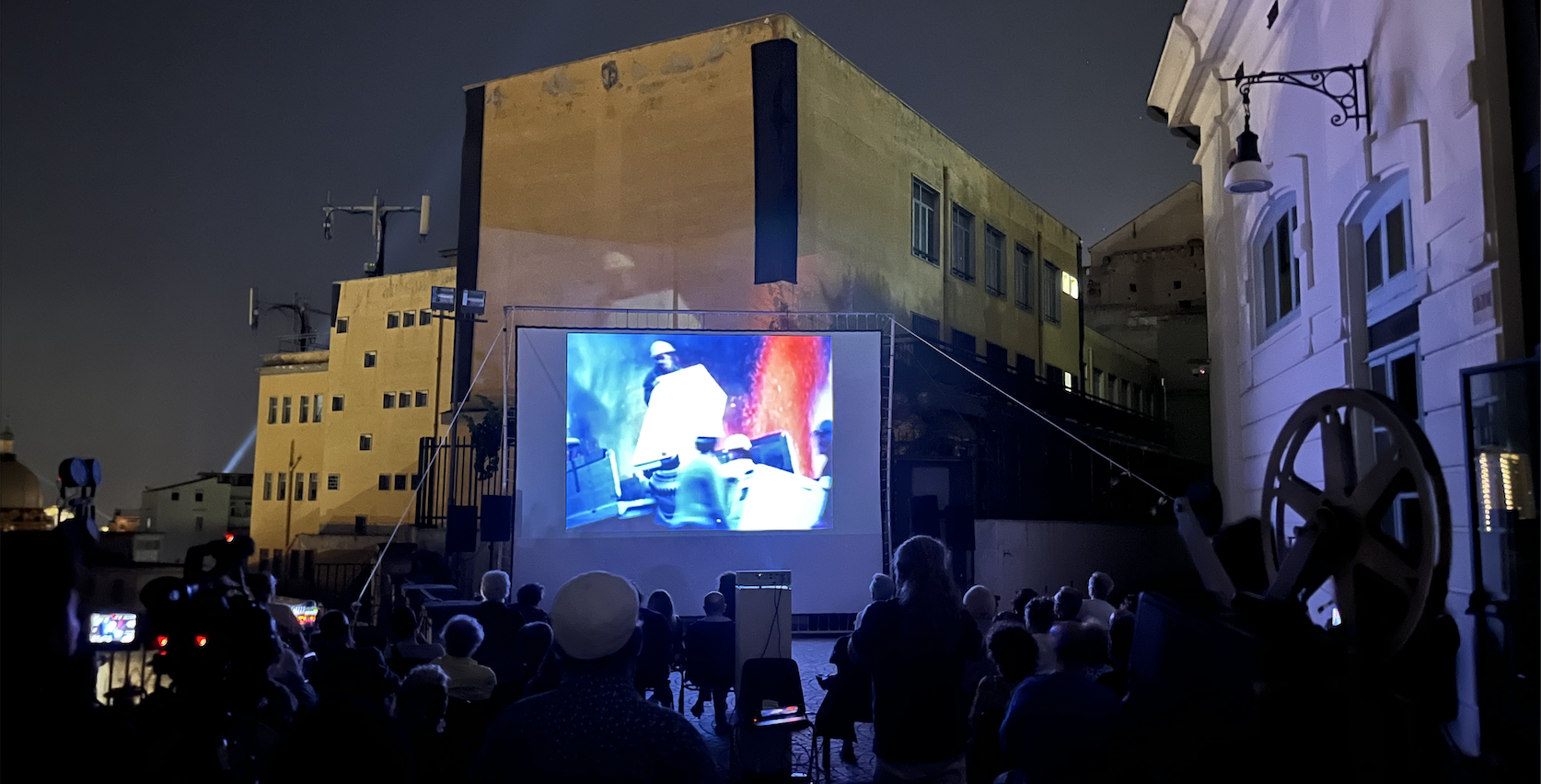
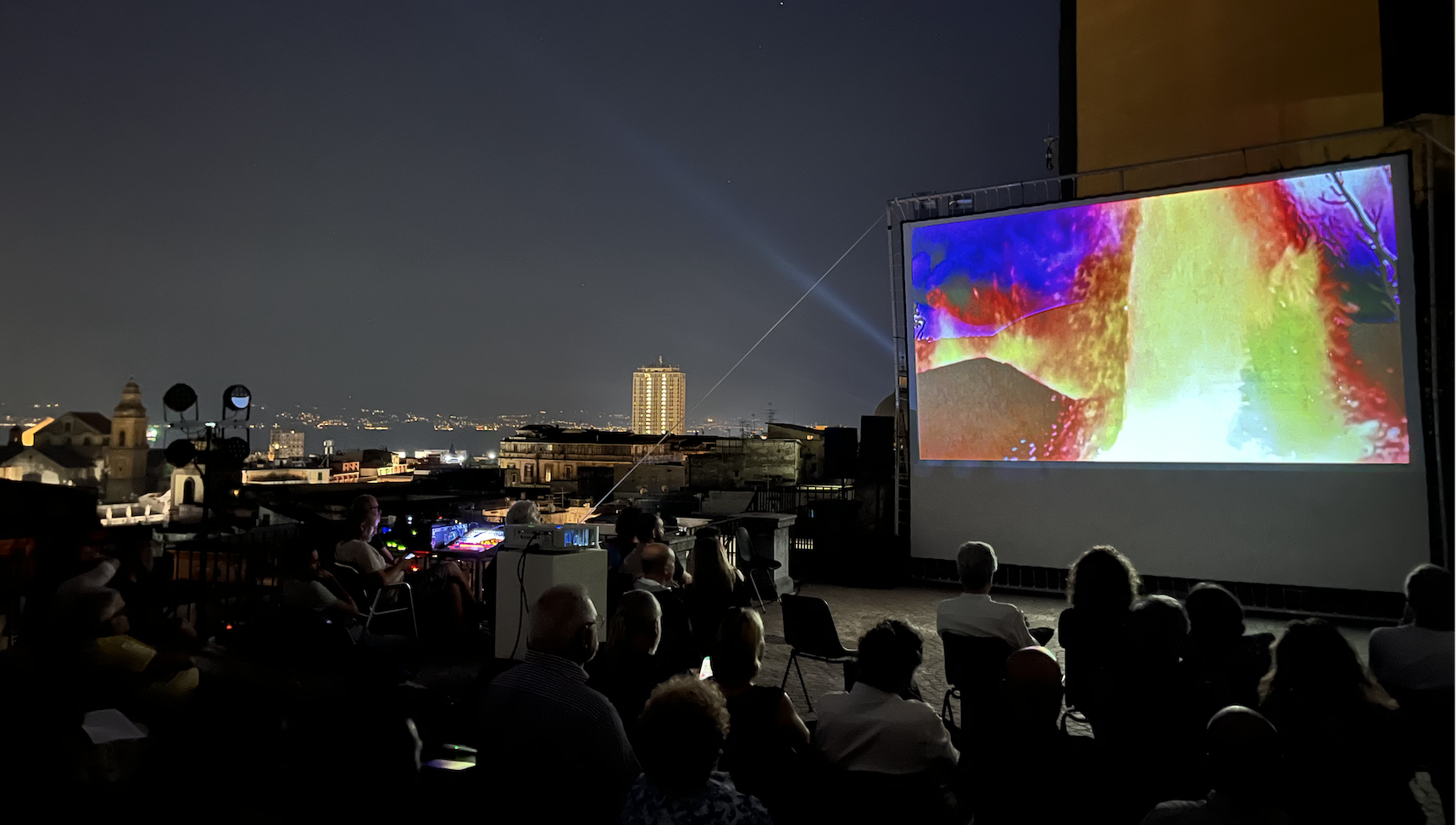
“ ON N’ENCHAÎNE PAS LES VOLCANS ”
Film program curated by Jasmine Pisapia
Hermann Nitsch Museum
June 16th, 2022, Napoli
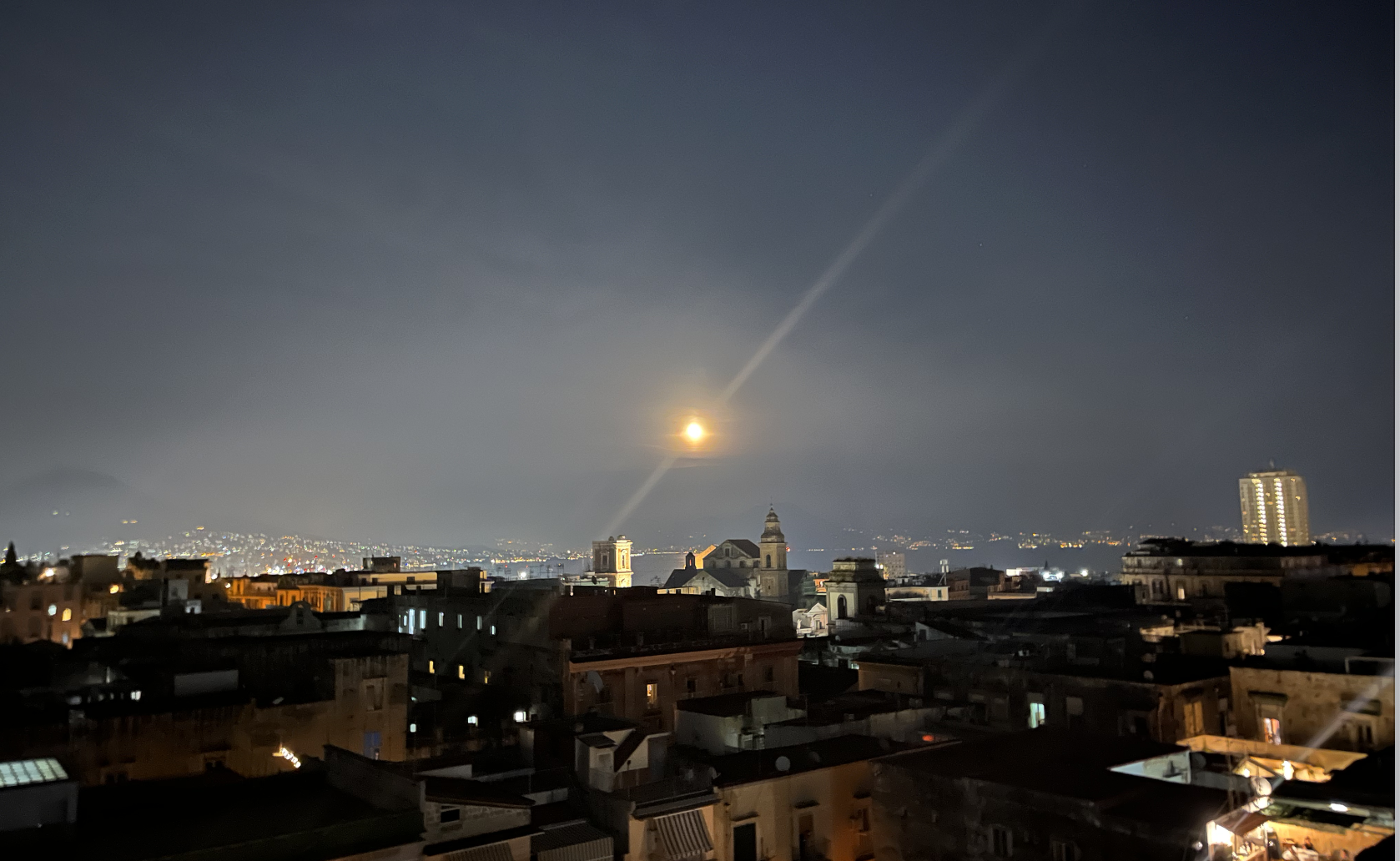
A film screening overlooking Mount Vesuvius of stunning works featuring volcanoes 🌋 by Malena Szlam, Colectivo Los Ingrávidos, Philippe Côté, Paulo Abreu , Pierre-Luc Vaillancourt, as well as images by volcanologists Haroun Tazieff and Ósvaldur Knudsen. In presence of volcanologist Sandro De Vita from the Osservatorio Vesuviano.
This program of films was curated for and commissioned by the Hermann Nitsch Museum in Naples, in the context of the Independent Film Show’s 2022 edition, with the collaboration of Pierre-Luc Vaillancourt, as well as Raffaella Morra, André Habib and Emmanuel Lefrant.
PROGRAM:
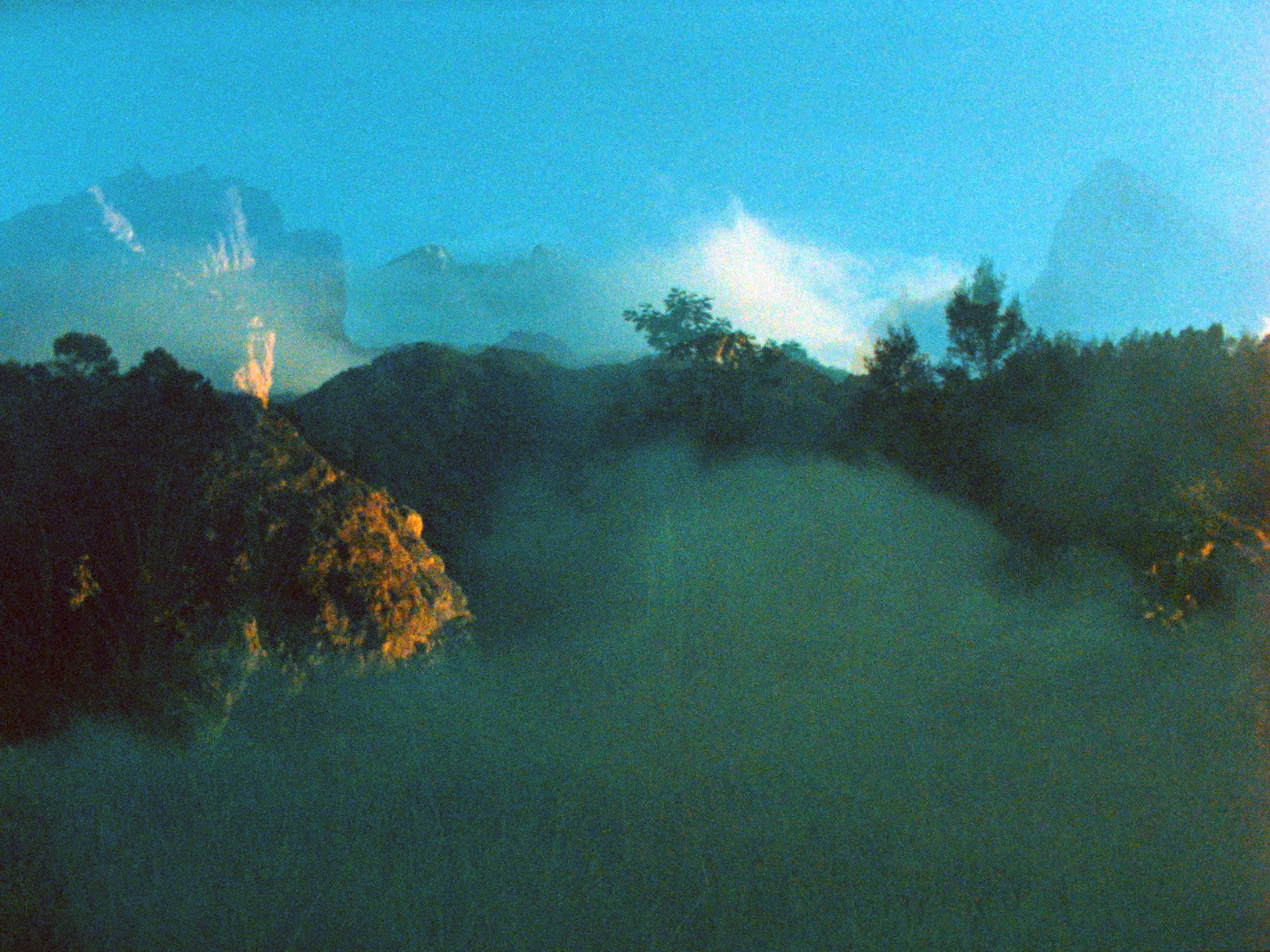
Malena Szlam | MERAPI | 2021 | Indonesia/Canada | silent | 8 min

Ósvaldur Knudsen, Vilhjálmur Knudsen | FIRE ON HEIMAEY | 1974 | Iceland | Excerpts

Colectivo Los Ingravidos | UNDER THE VOLCANO | 2019 | Mexico | 9 min. 32 sec.

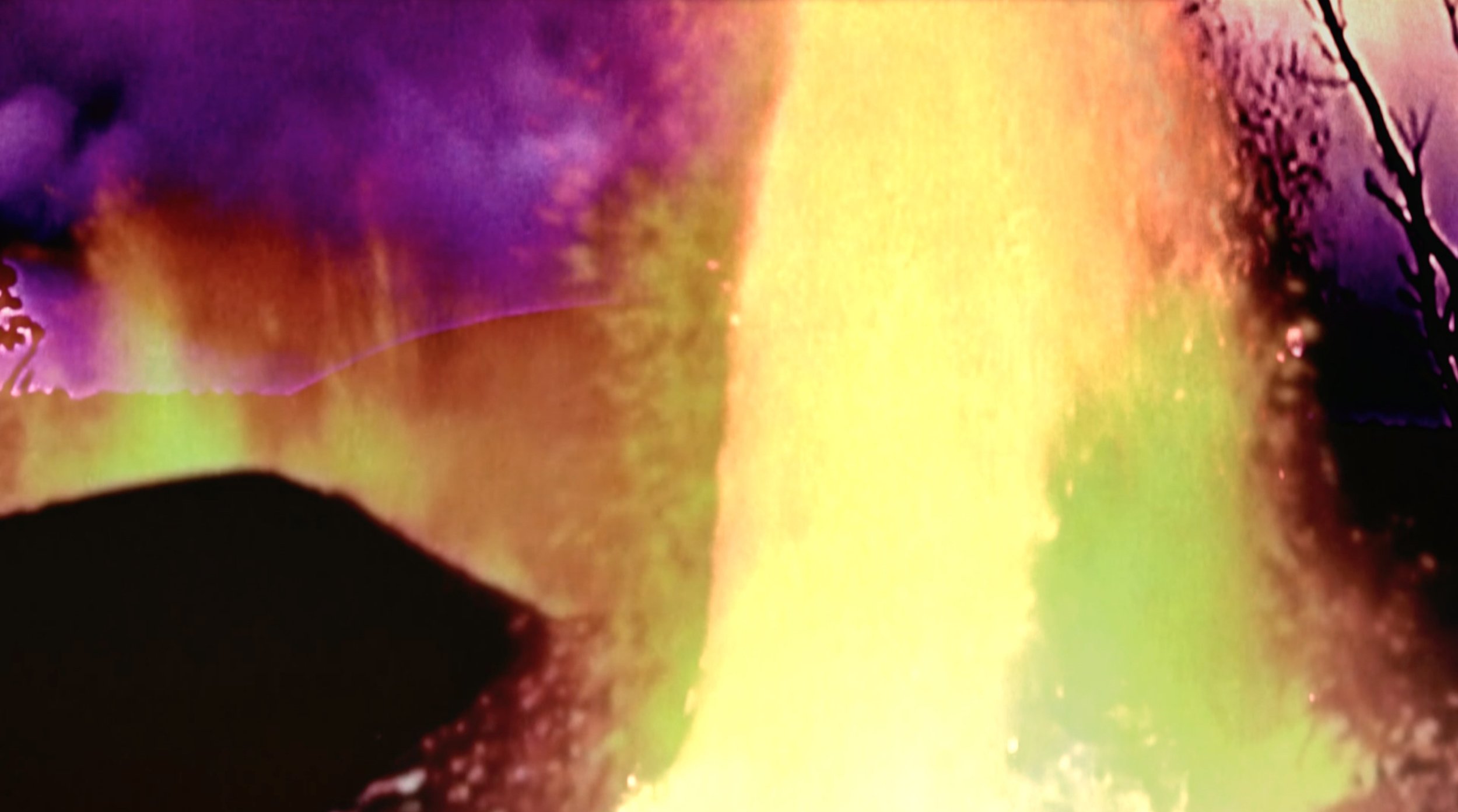
Pierre-Luc Vaillancourt | HYPNAGOGIA | 2018 | Canada | music by Jon Claude Bieschke | 5 min. 35 sec
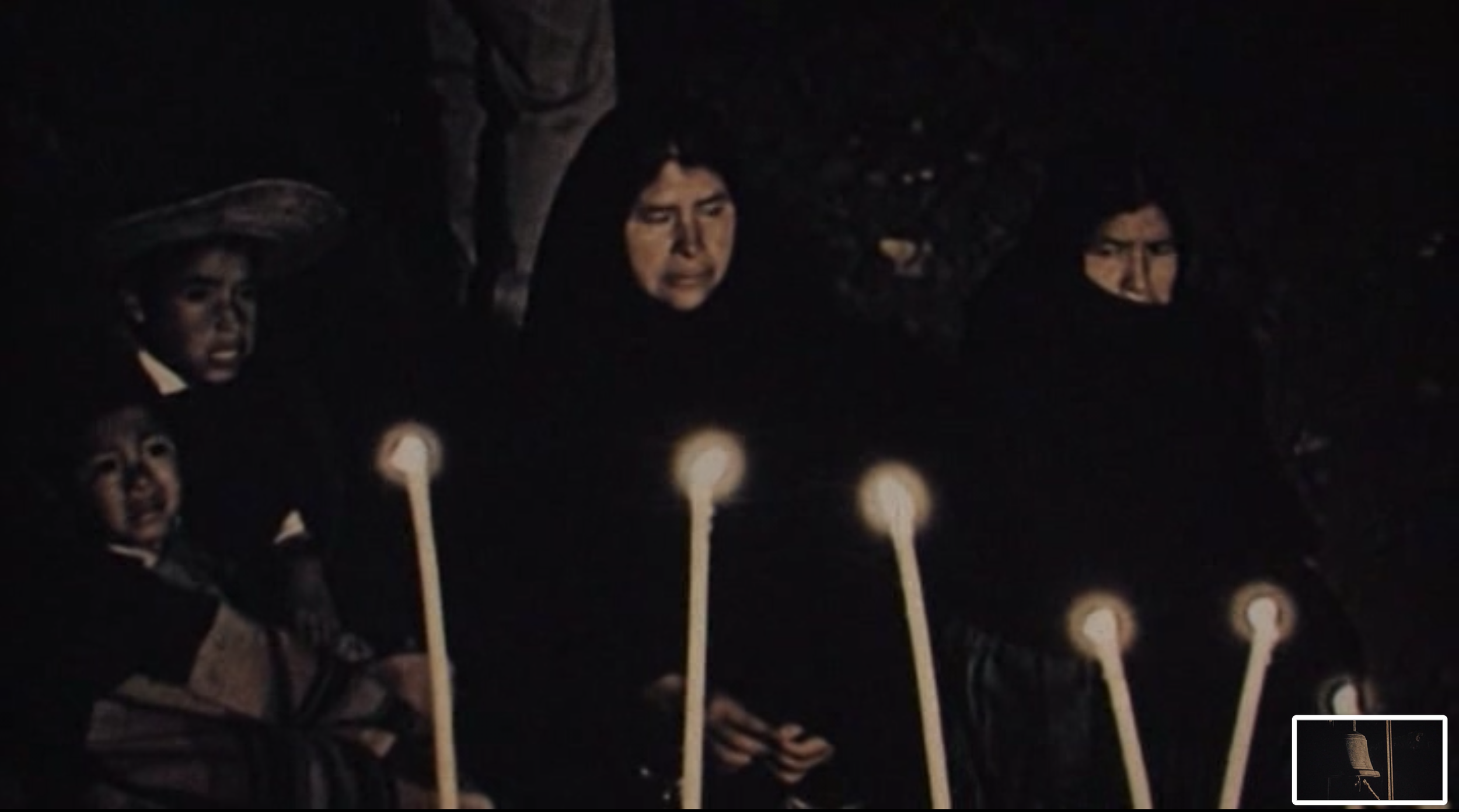
Haroun Tazieff | LES RENDEZ-VOUS DU DIABLE 1959 | France
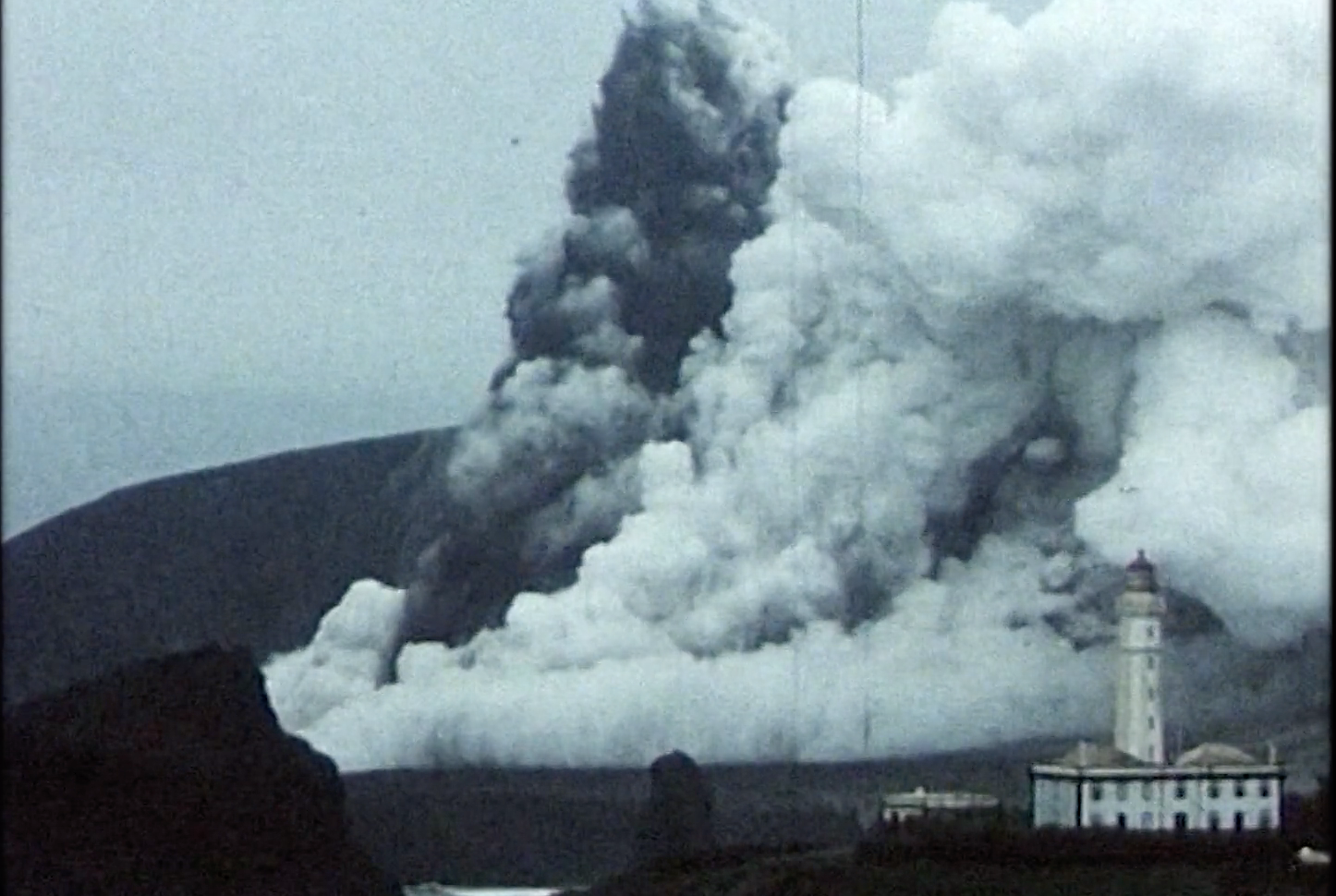
Paulo Abreu | ADORMECIDO | 2012 | Portugal, S8mm on video | 12 min 20 sec
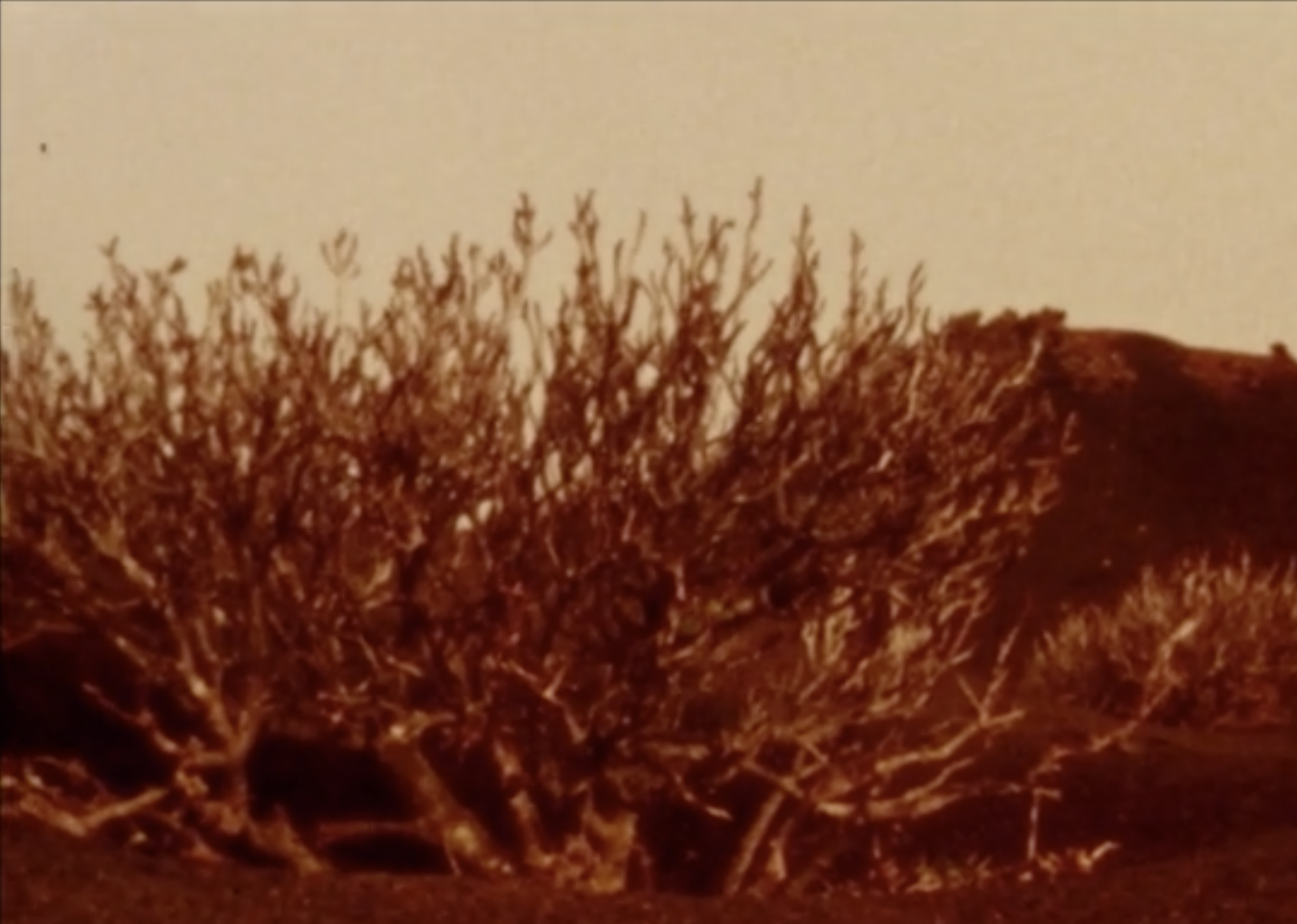
Philippe Côté | TINMANFAYA | 2015 | France | S8mm on video | 24 min 30 sec
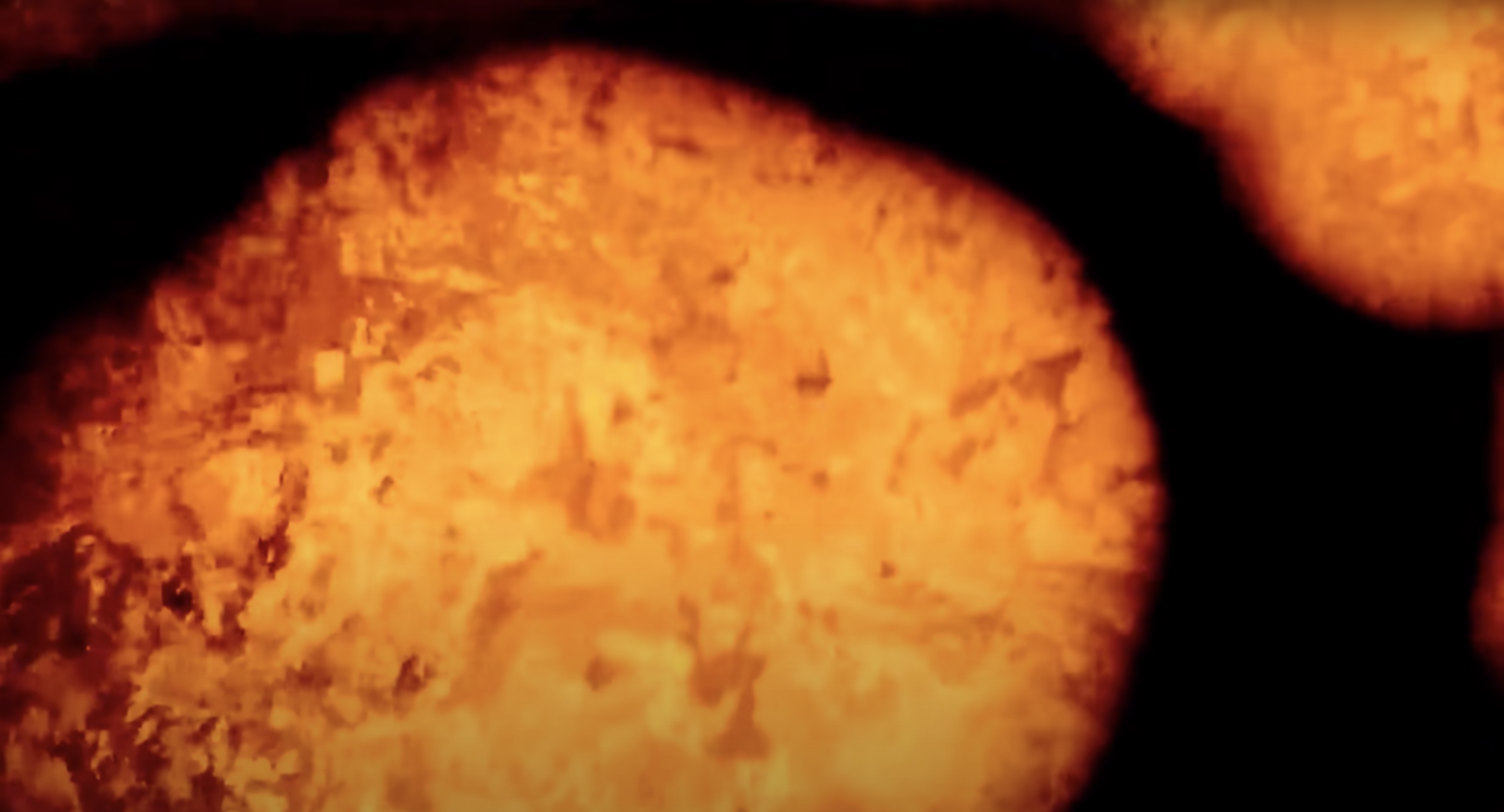
Bjorn Steinbekk | When you fly a drone into an active crater! | 2021 | Iceland | 1 min. 53 sec
In her essay “On n’enchaîne pas les volcans” (“One does not chain down volcanoes”), poet and essayist Annie Le Brun invokes the Marquis de Sade’s fascination for volcanoes as a crucial philosophical motif. “Never before,” she tells us, “had the feeling of catastrophe been so splendidly formulated, including in its erotic implications, through this grandiose polarity: between desire and the forces of nature.” Volcanoes do not appear merely as images or ideas. Their forms emerge from the movements of matter and the depths of the imagination. Indeed, one of Sade’s characters—the famous chemist Almani—paused in admiration before the breast of Etna as it expelled its flames: “I desired to be this famous volcano.” If volcanoes are possessed by burning telluric energy, they also possess bodies and minds. They provide scabrous explosions, scatological resonances—their calamity is scandalous. The films in this program explore a few facets of these terrifying, sensual eruptions. At times, the camera captures the spectacular event. At other moments, images quiver with the tension of anticipation, devotion, latency, silence, and the risk of annihilation. What are these images’ relationships to the sensible world? What has the reality of contemporary crises robbed from our imaginative potential, from our capacity to invent distorted perspectives?
Special thanks to: Raffaella Morra, Emmanuel Lefrant, André Habib, Pierre-Luc Vaillancourt and the Institut pour la Coordination et la Propagation des Cinémas Exploratoires (ICPCE)
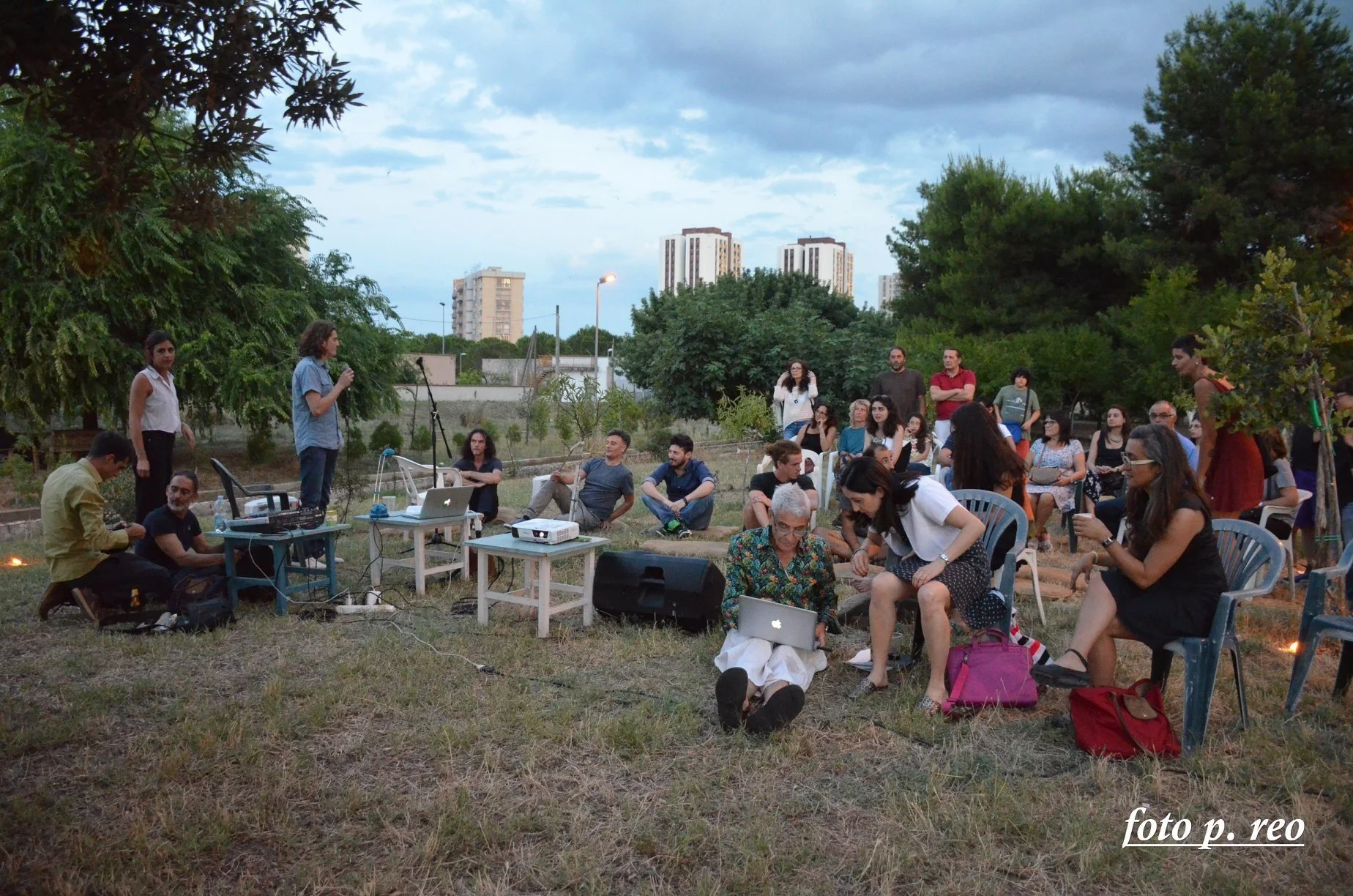
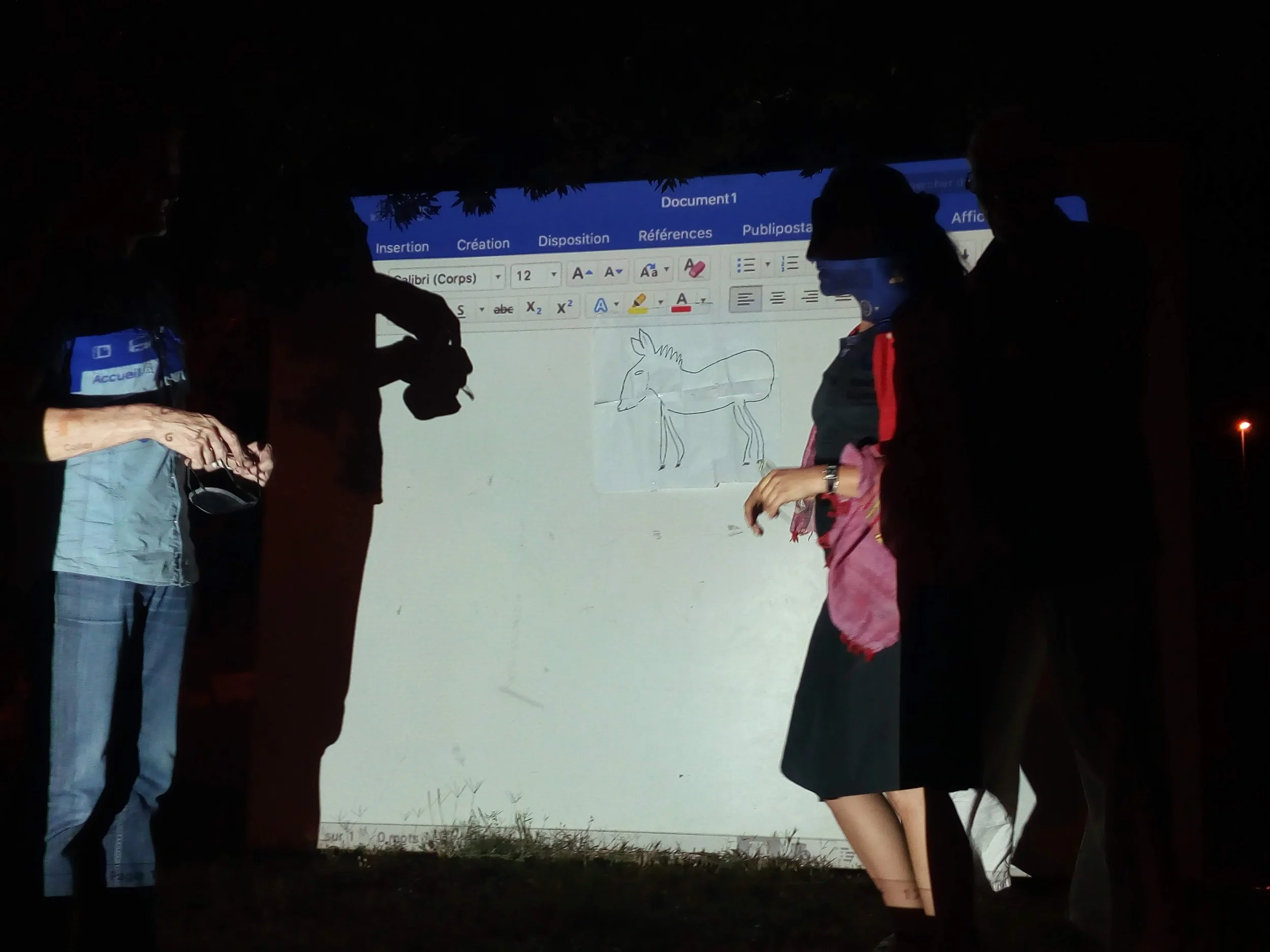
L'URLO DELL'ASINO curated with Collettivo Epidemia. An evening at the occupied social center "Archeotower" in Taranto's Archaeological Park, featuring a talk by Michael Taussig (translated live by János Chialá), performances by Rosalia D'Arcangelo and Isabella Mongelli, and a screening of short films by Carolina Saquel. Organization: Jasmine C. Pisapia, Davide Scrano, Michele Loiacono, Angelo Lo Sasso. June 18th, 2018.




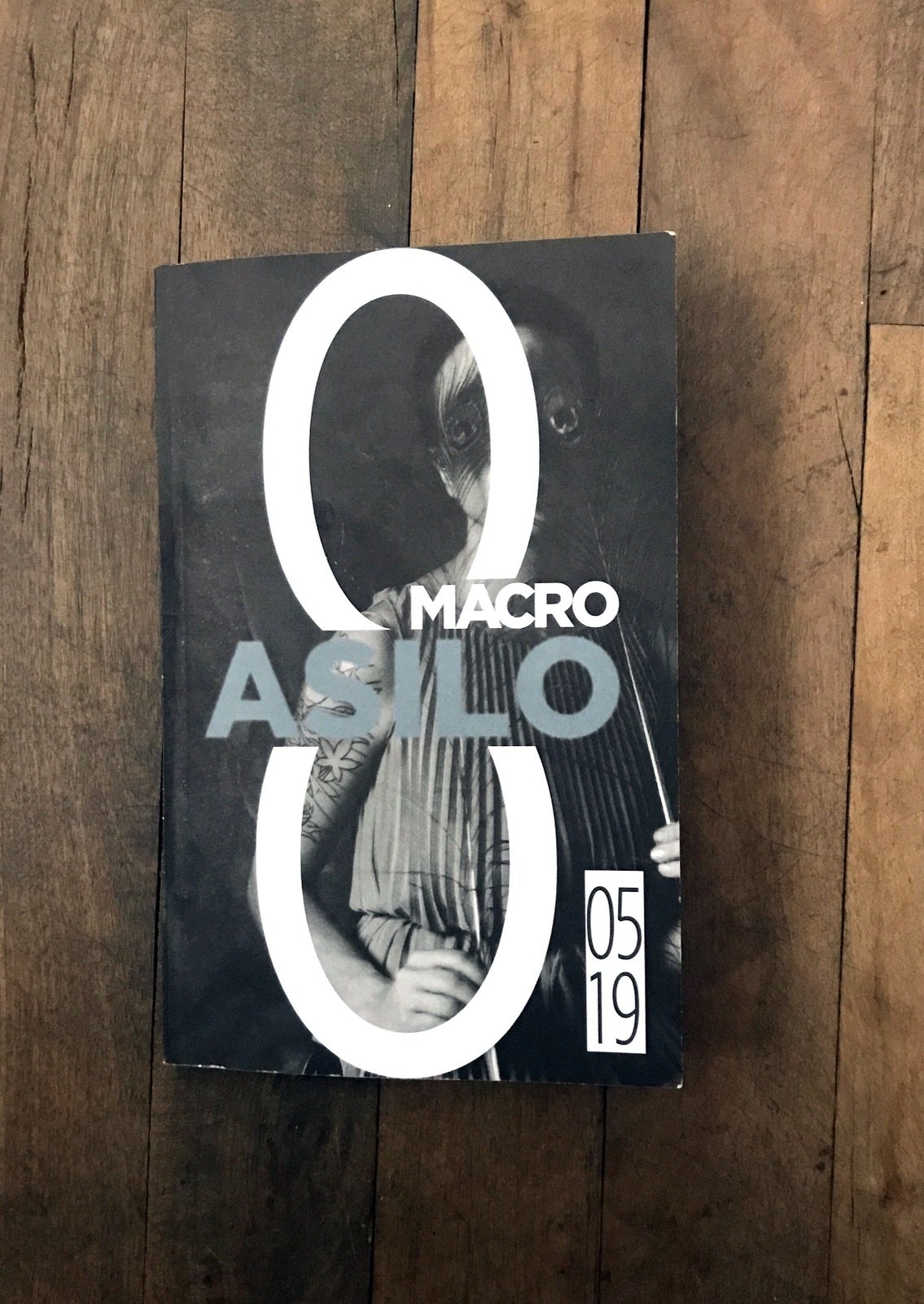
MACRO Asilo Contemporary Art Museum, Rome: "Il Reincanto della Natura: Movimenti Sfuggenti e Oscuro Surrealismo: Tre Giorni tra Arte e Antropologia," Rome, May 15-17, 2019.
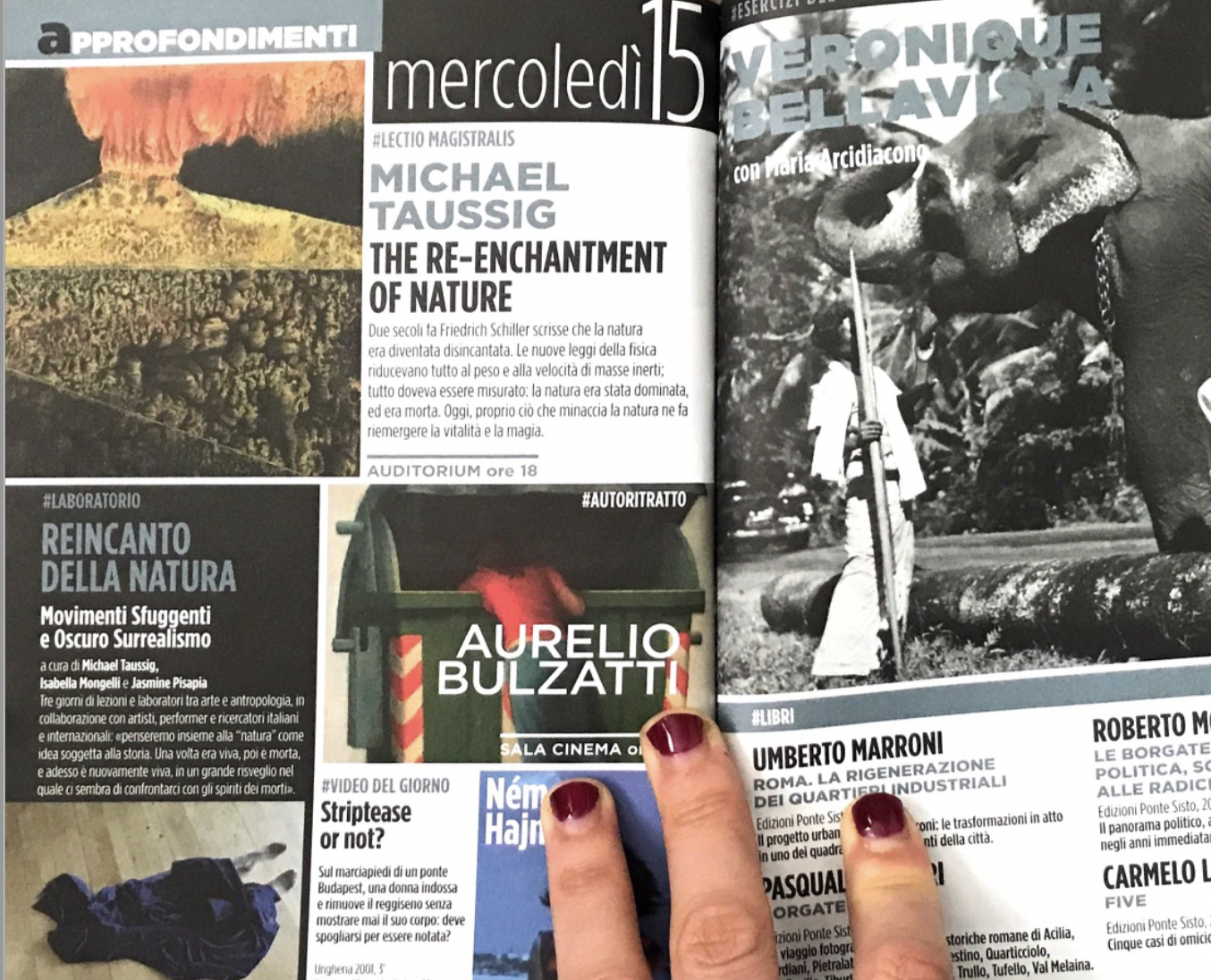
An event curated by Jasmine Pisapia and performance artist Isabella Mongelli.
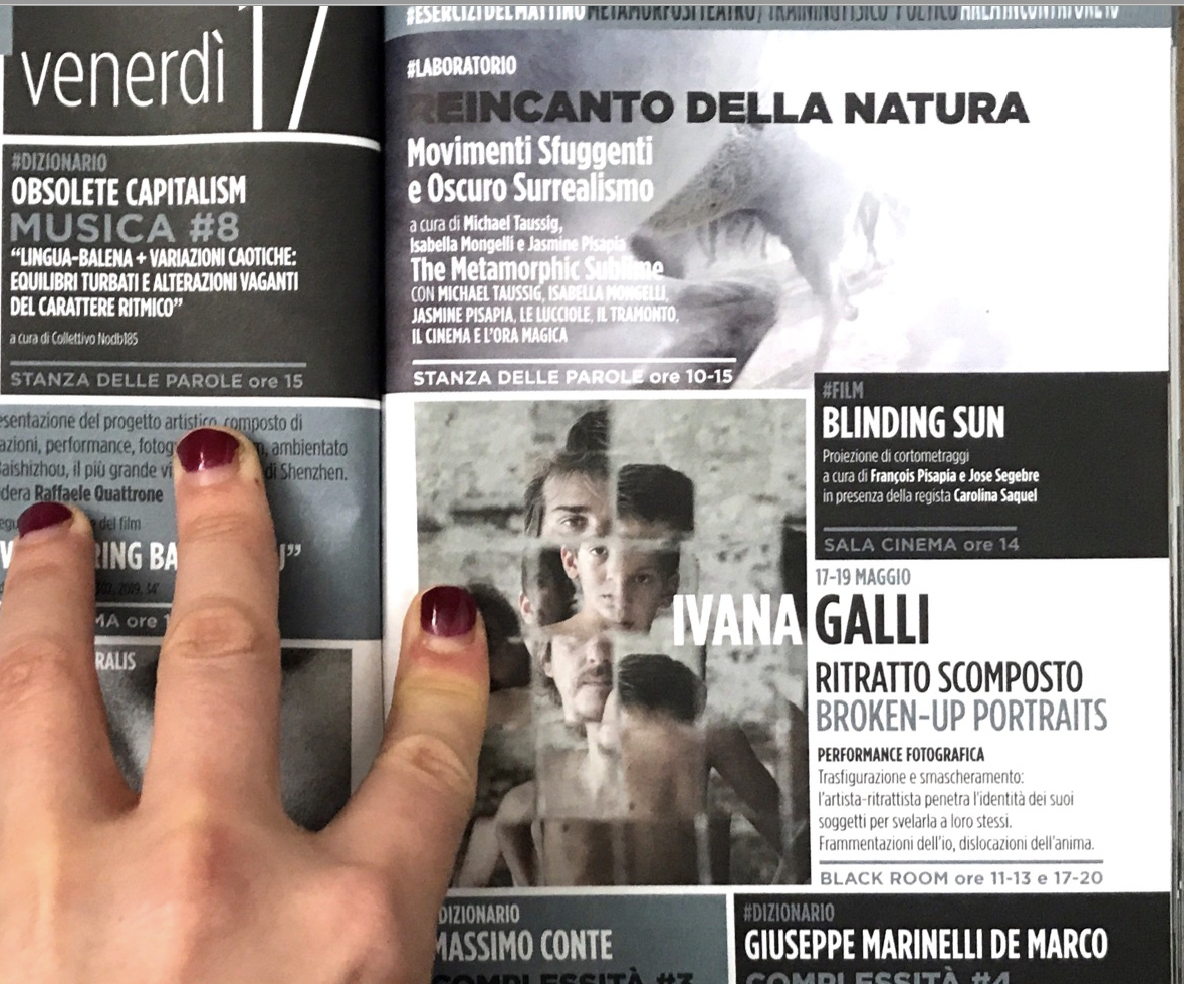
Featuring screenings, performances and lectures by San Francisco collective Future Farmers, Berlin-based curator José Segebre, Los Ingravidos and the Collettivo Epidemia.
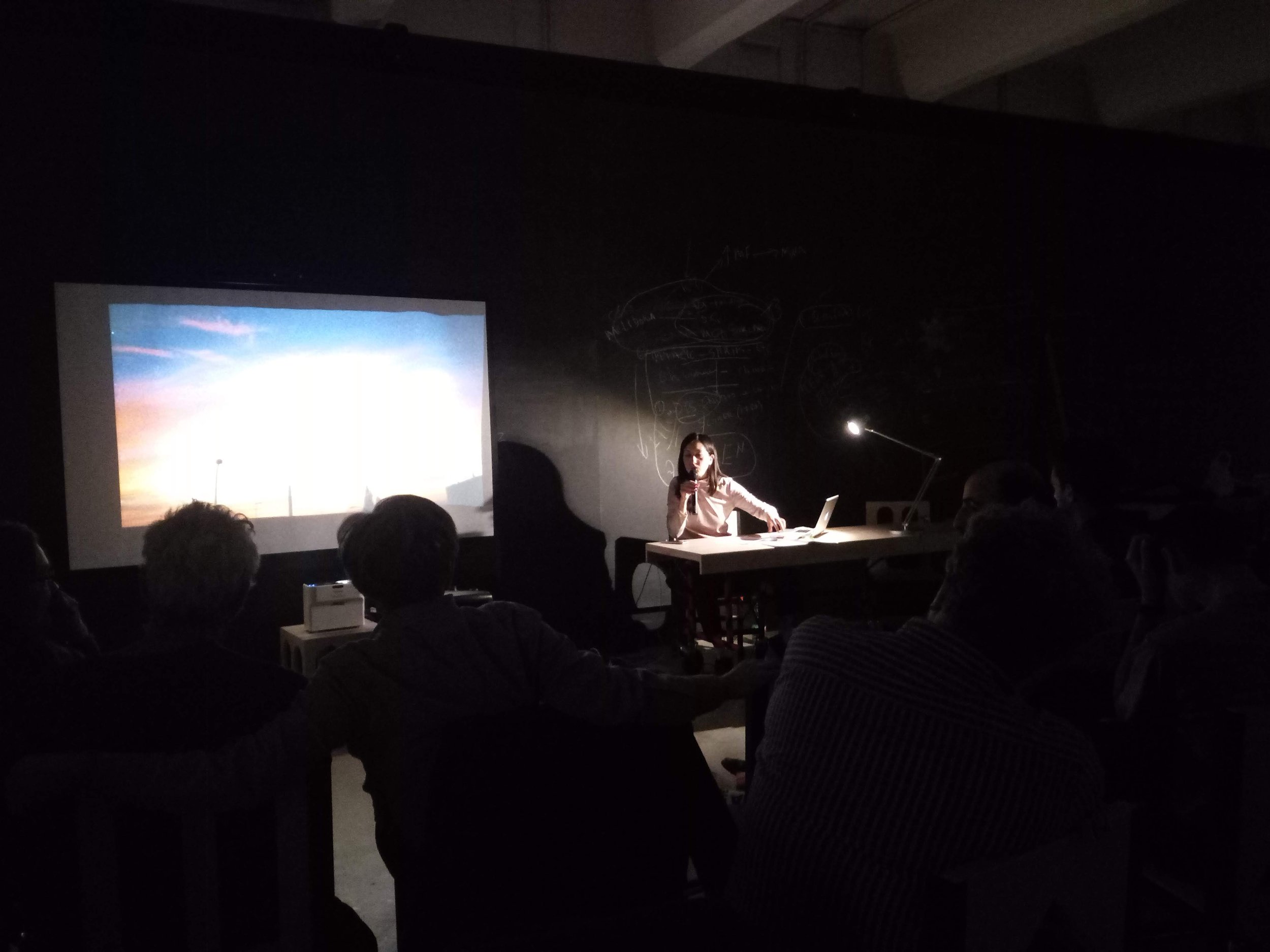
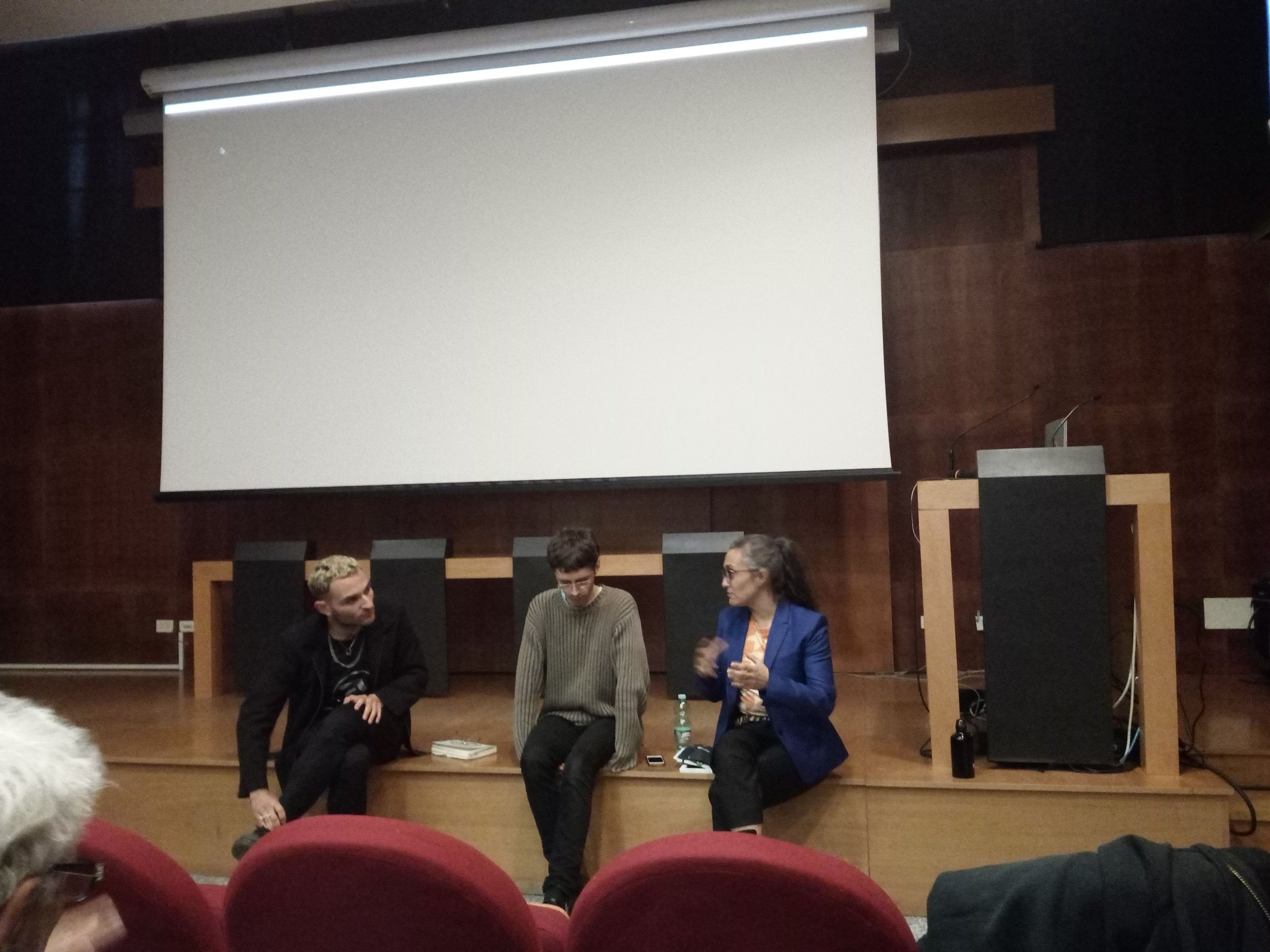

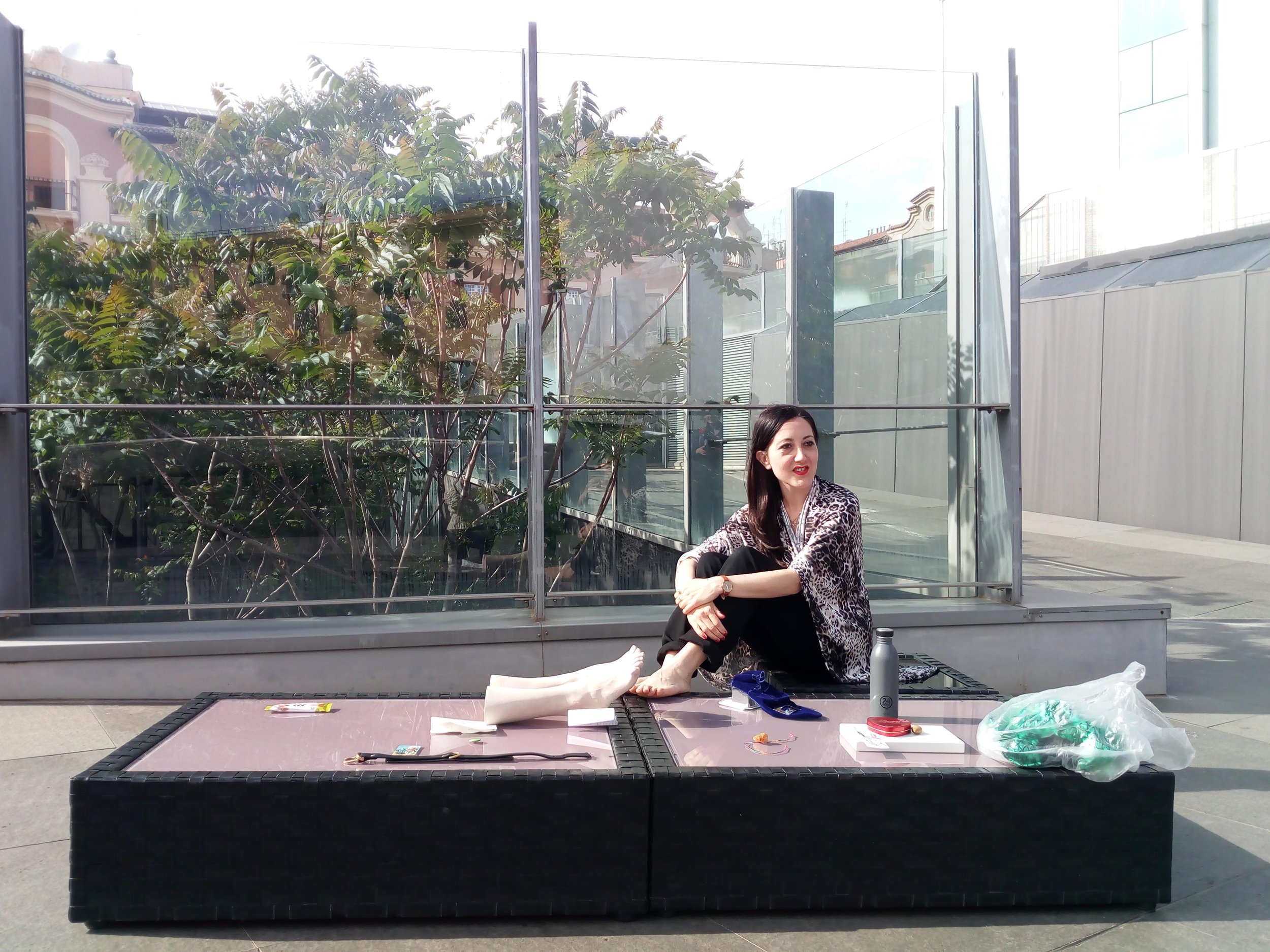
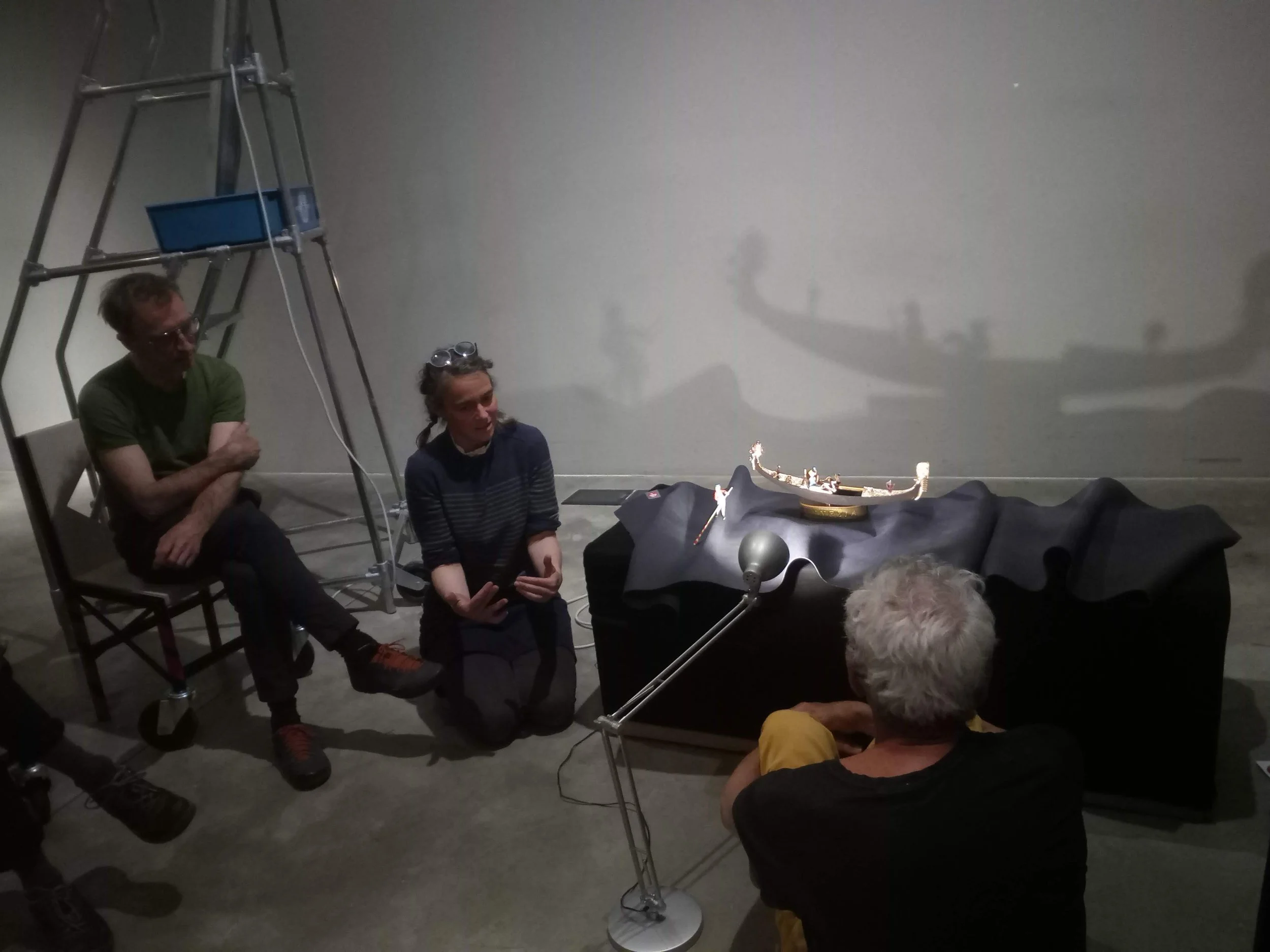
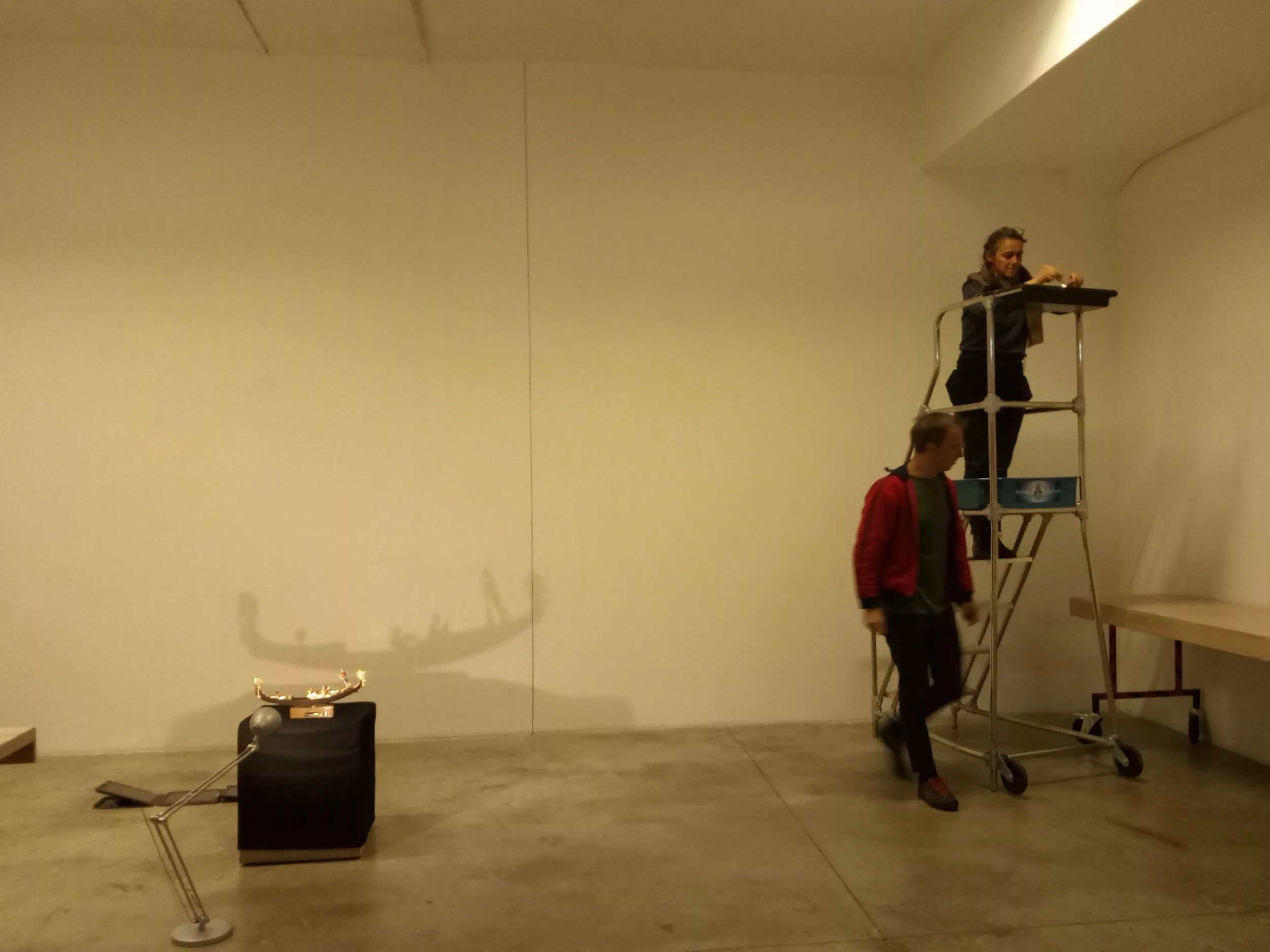
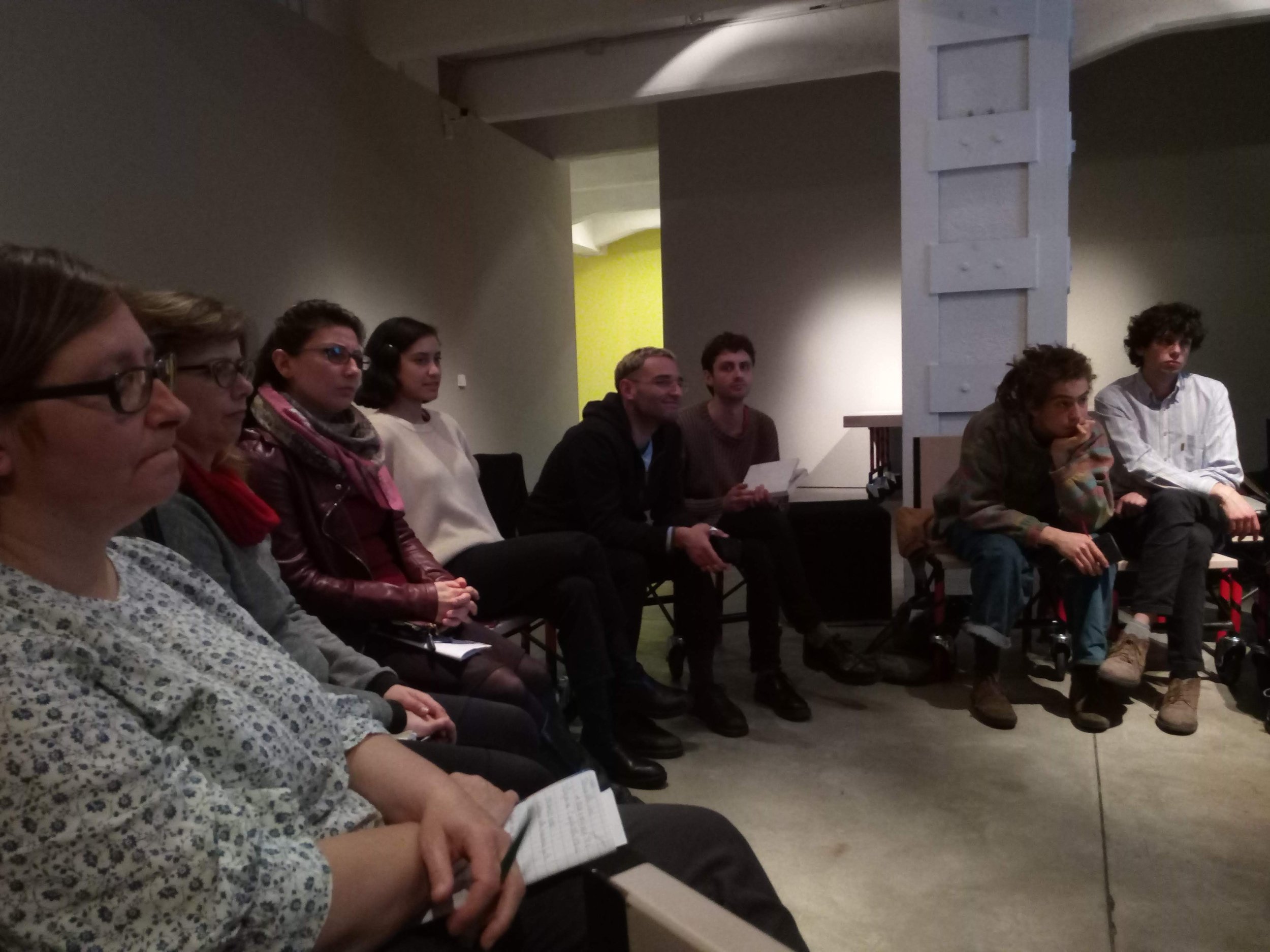
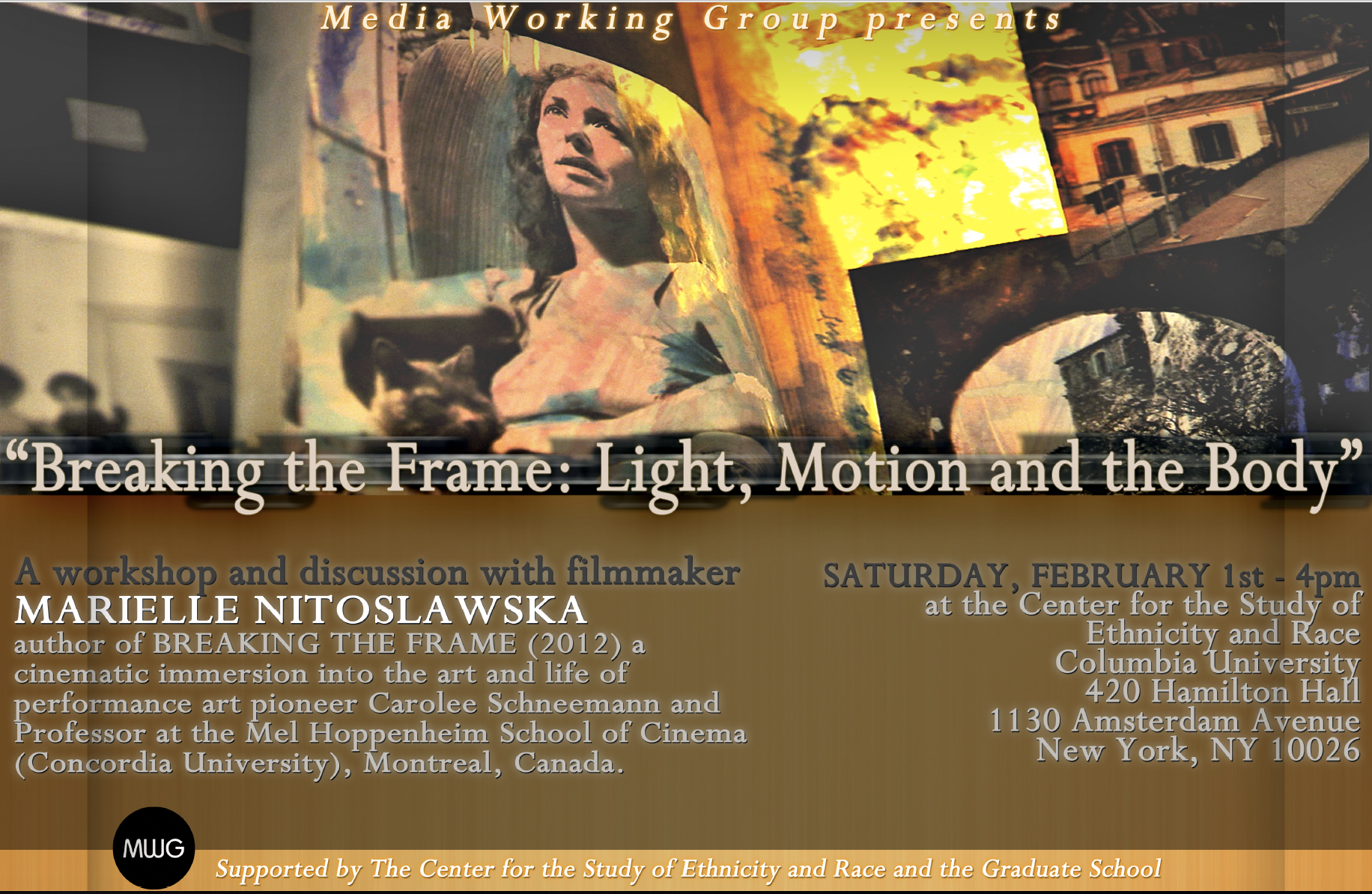
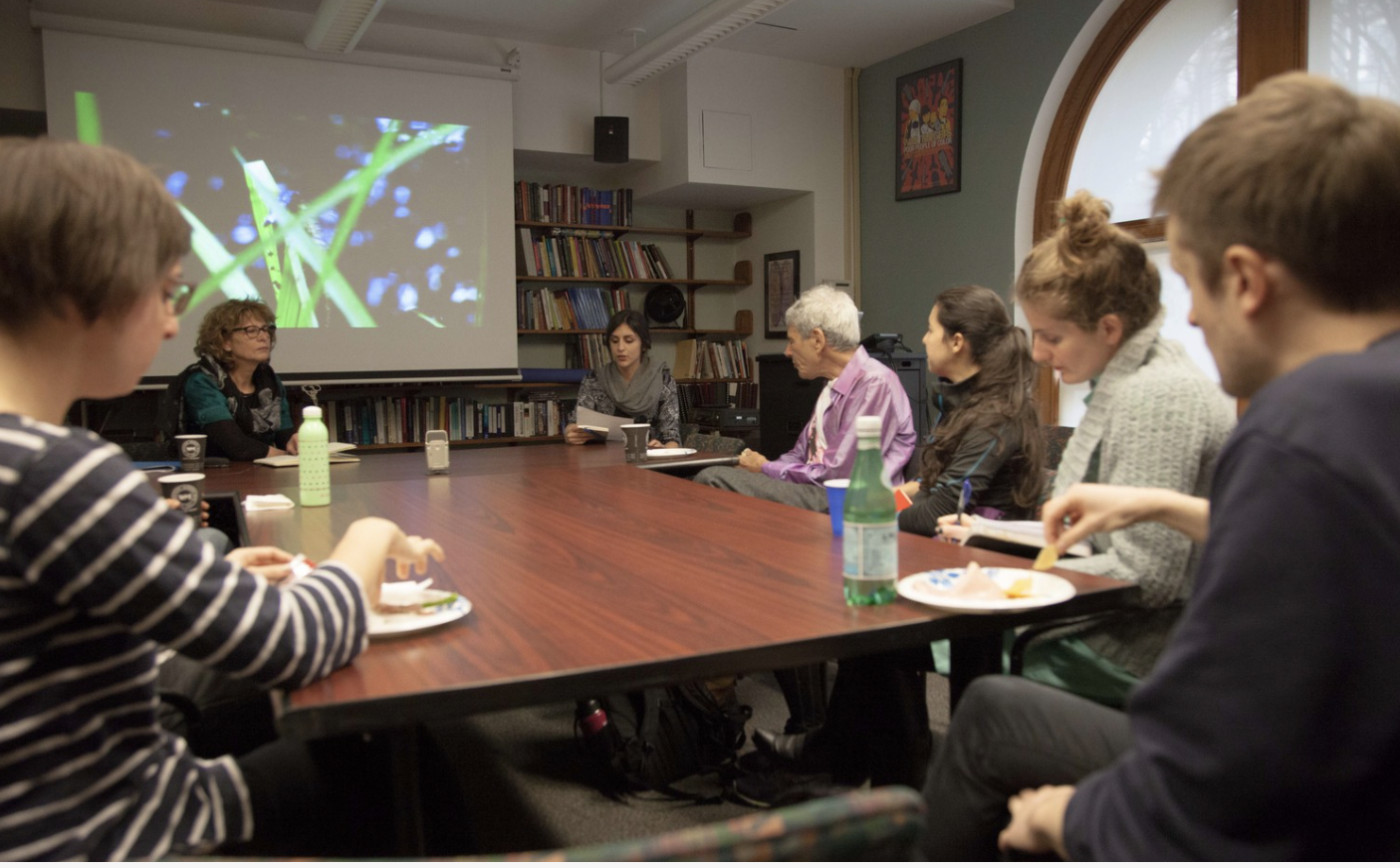
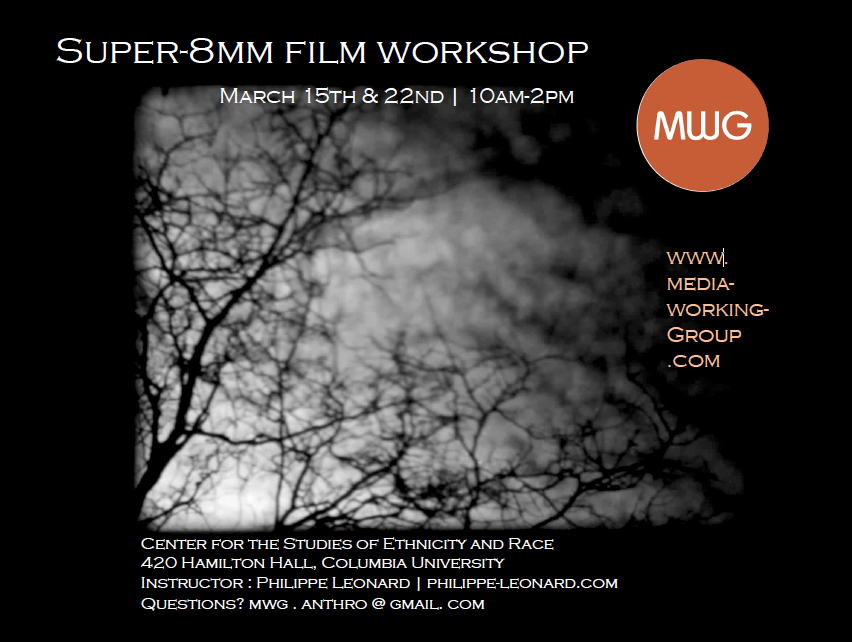
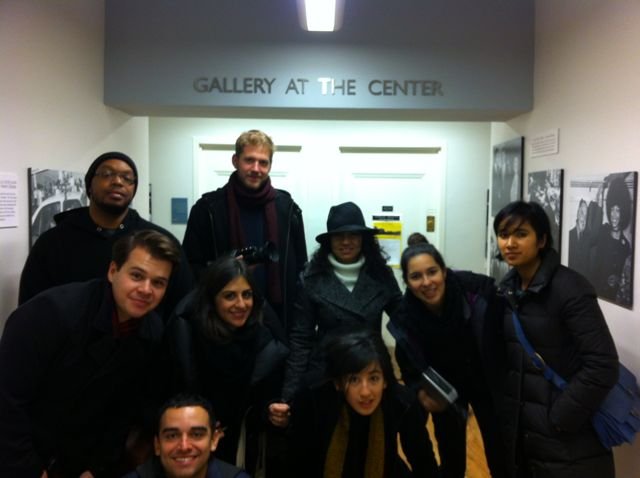
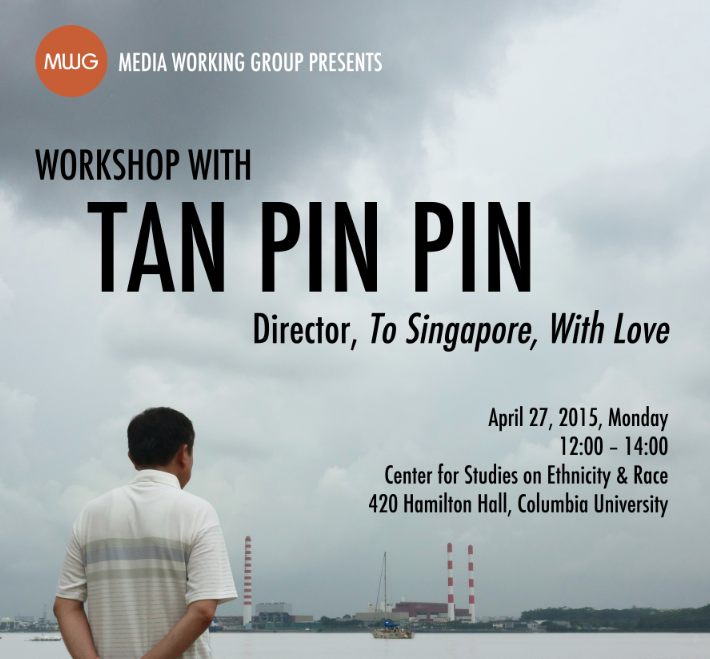
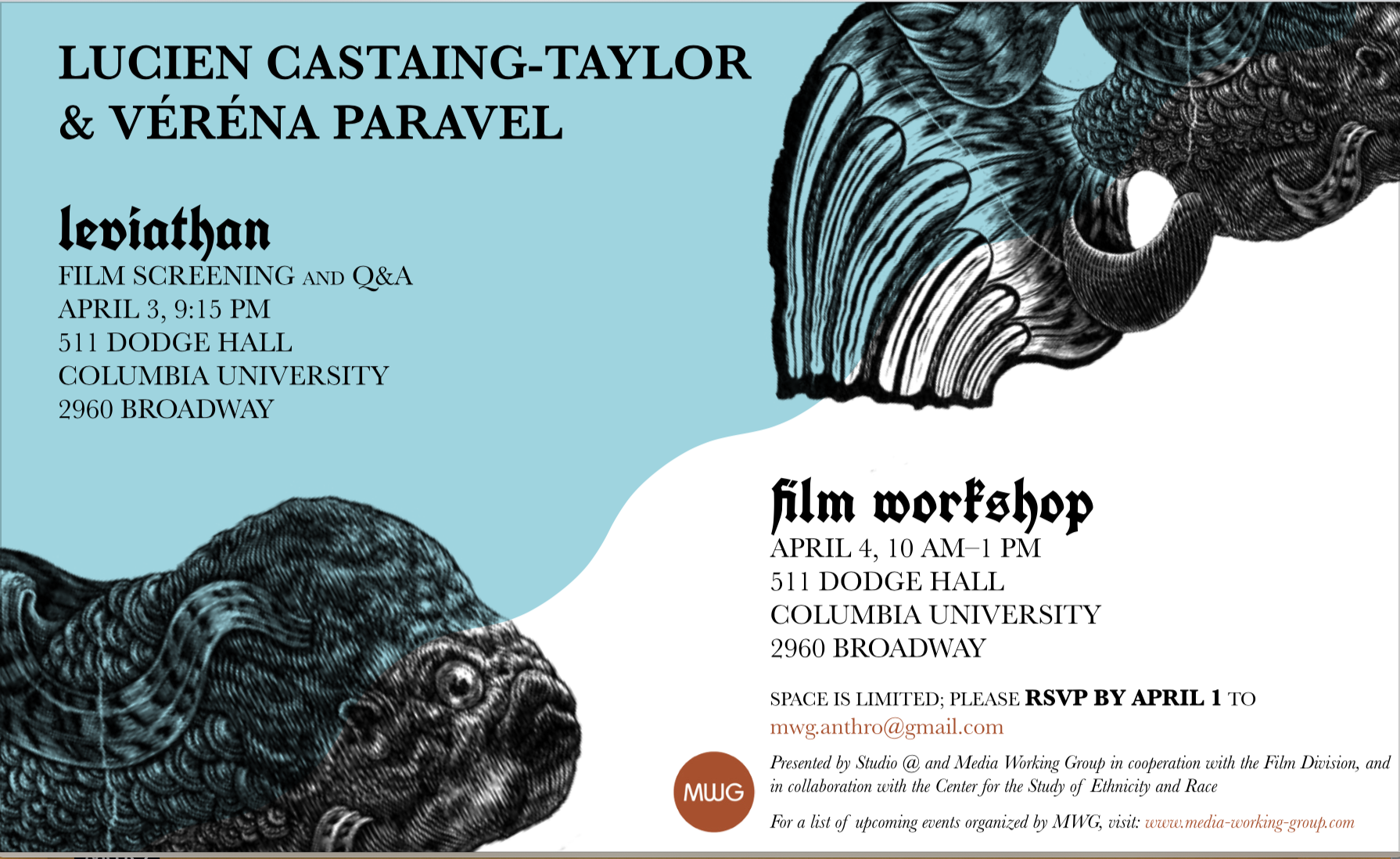
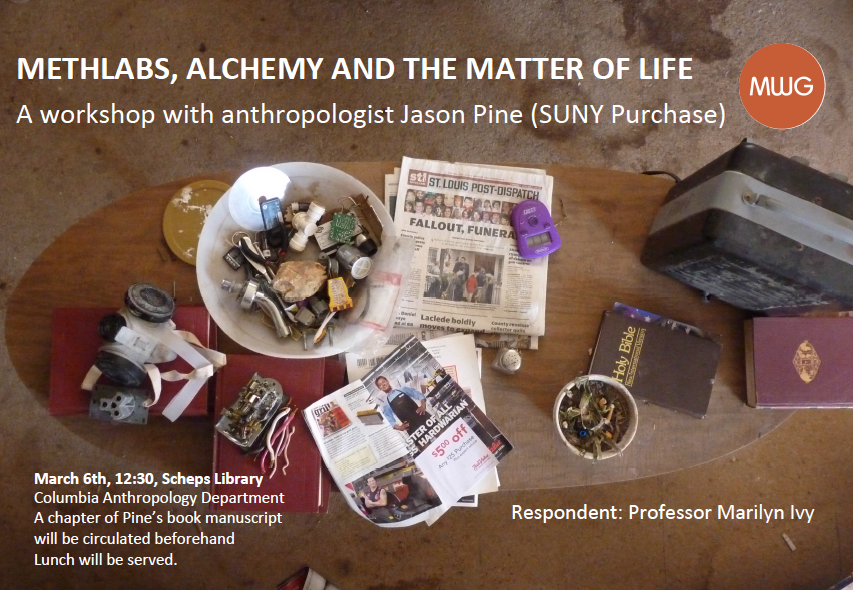
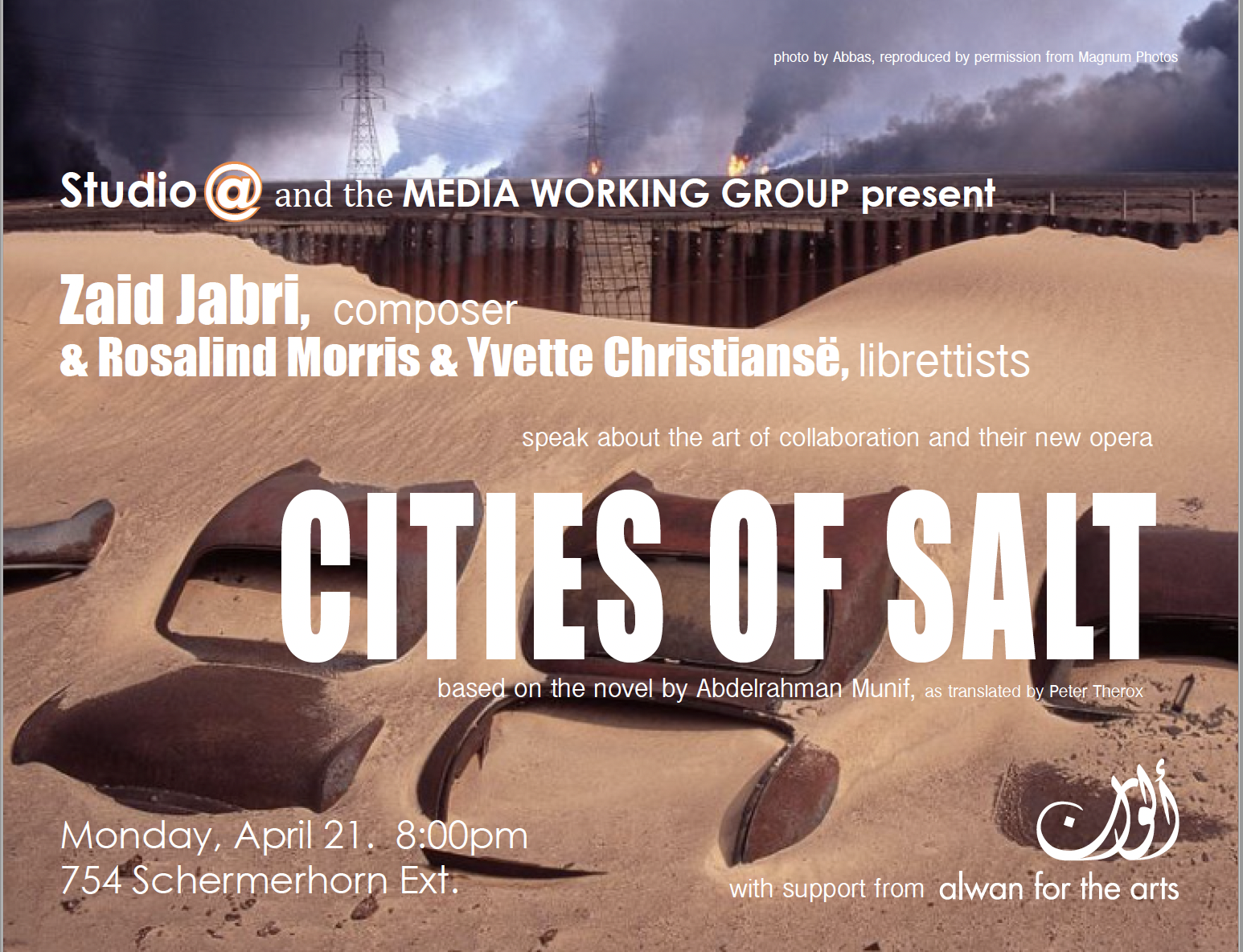
The Media Working Group was founded by PhD students of the Anthropology Department at Columbia University in New York, as part of the Media and Idea Lab at the Center for the Studies on Ethnicity and Race. Through workshops on topics varying from sound art to super-8 celluloid filmmaking, and conversations with artists and filmmakers, the MWG sought to encourage expansive intersections between ethnography and other artistic practices.



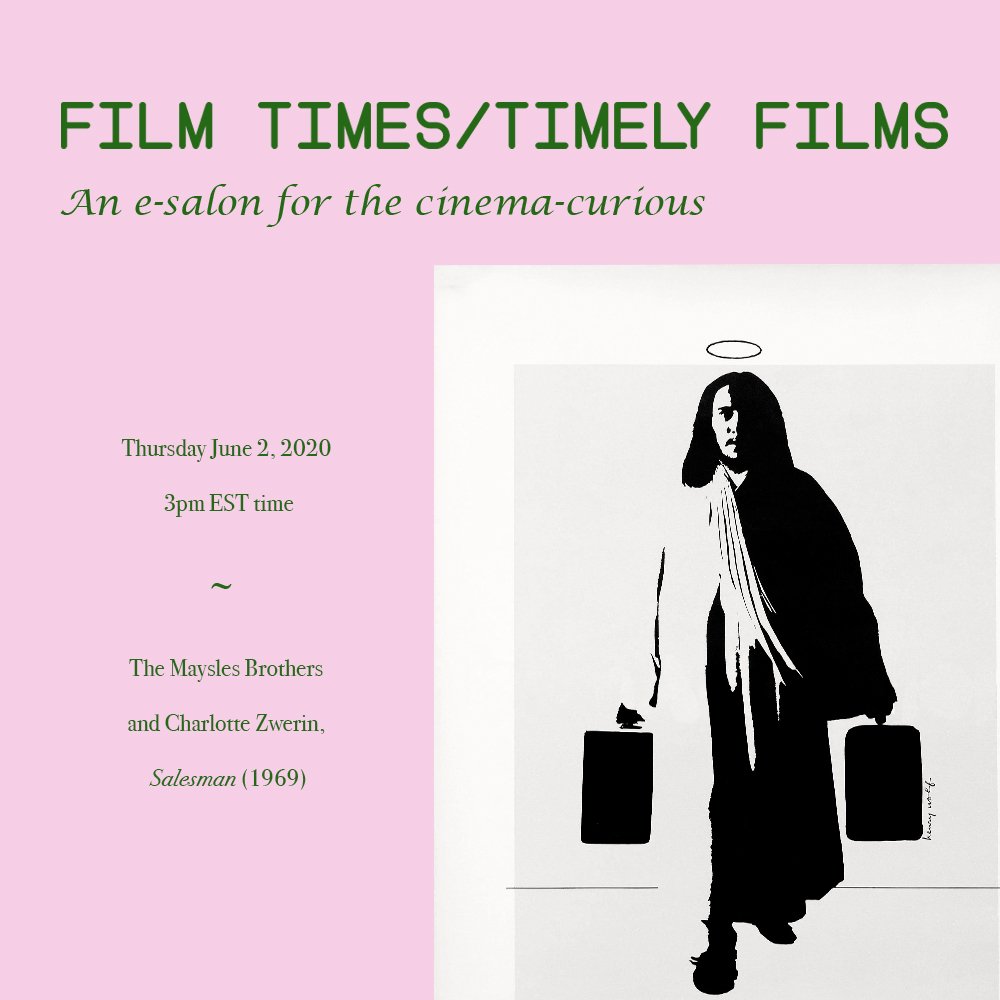
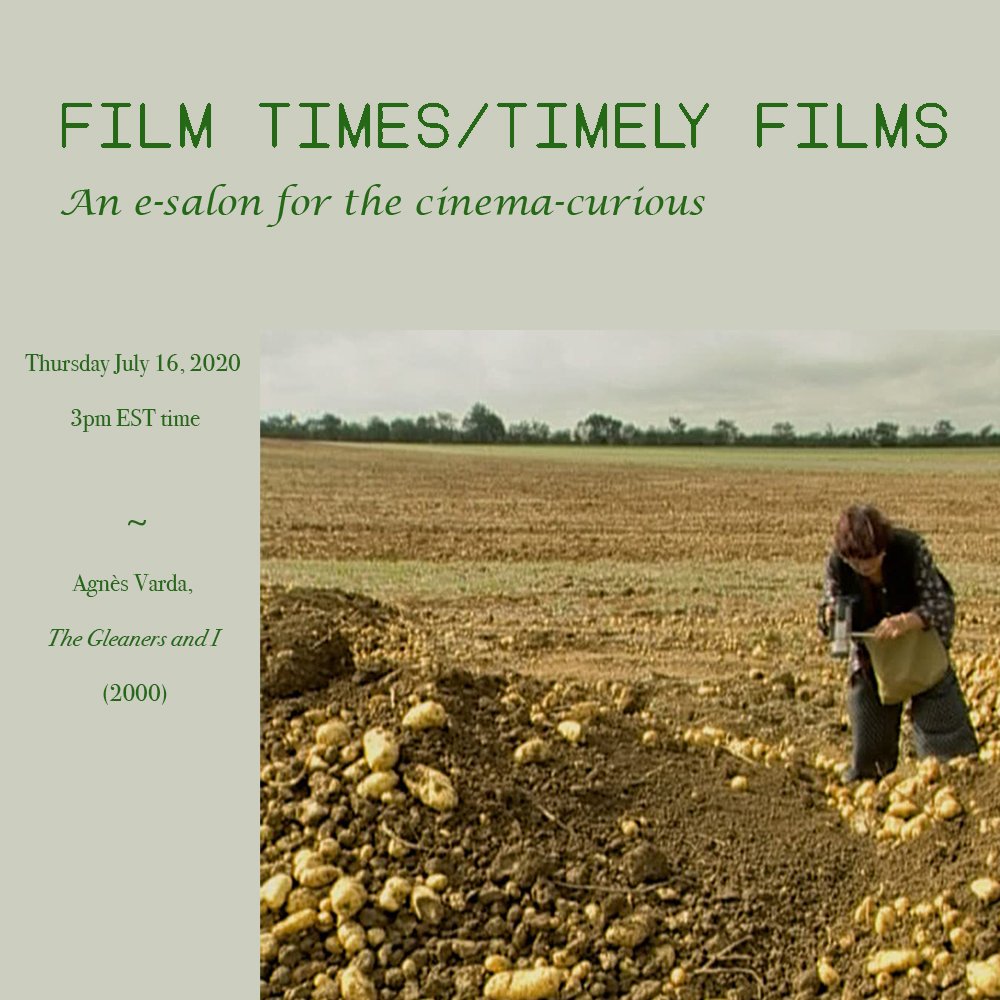
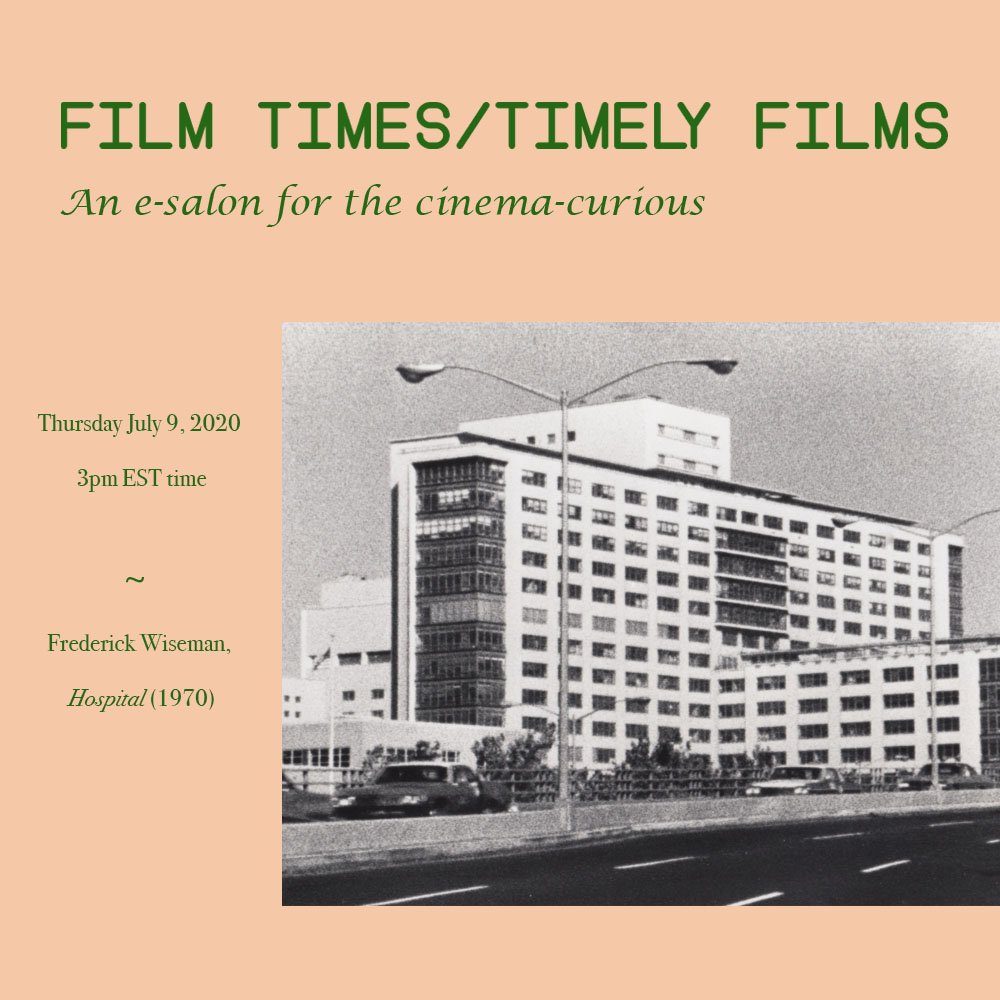
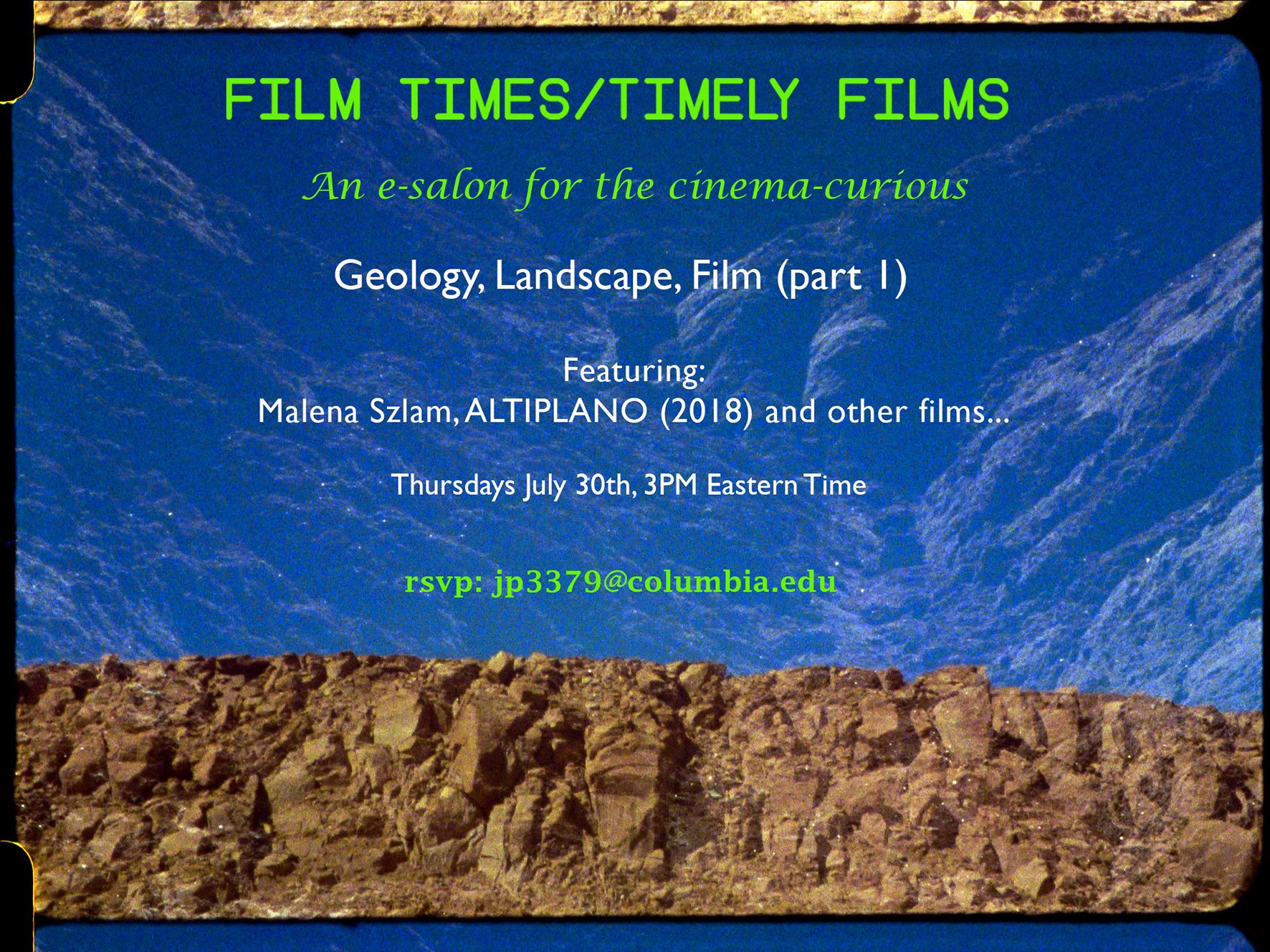
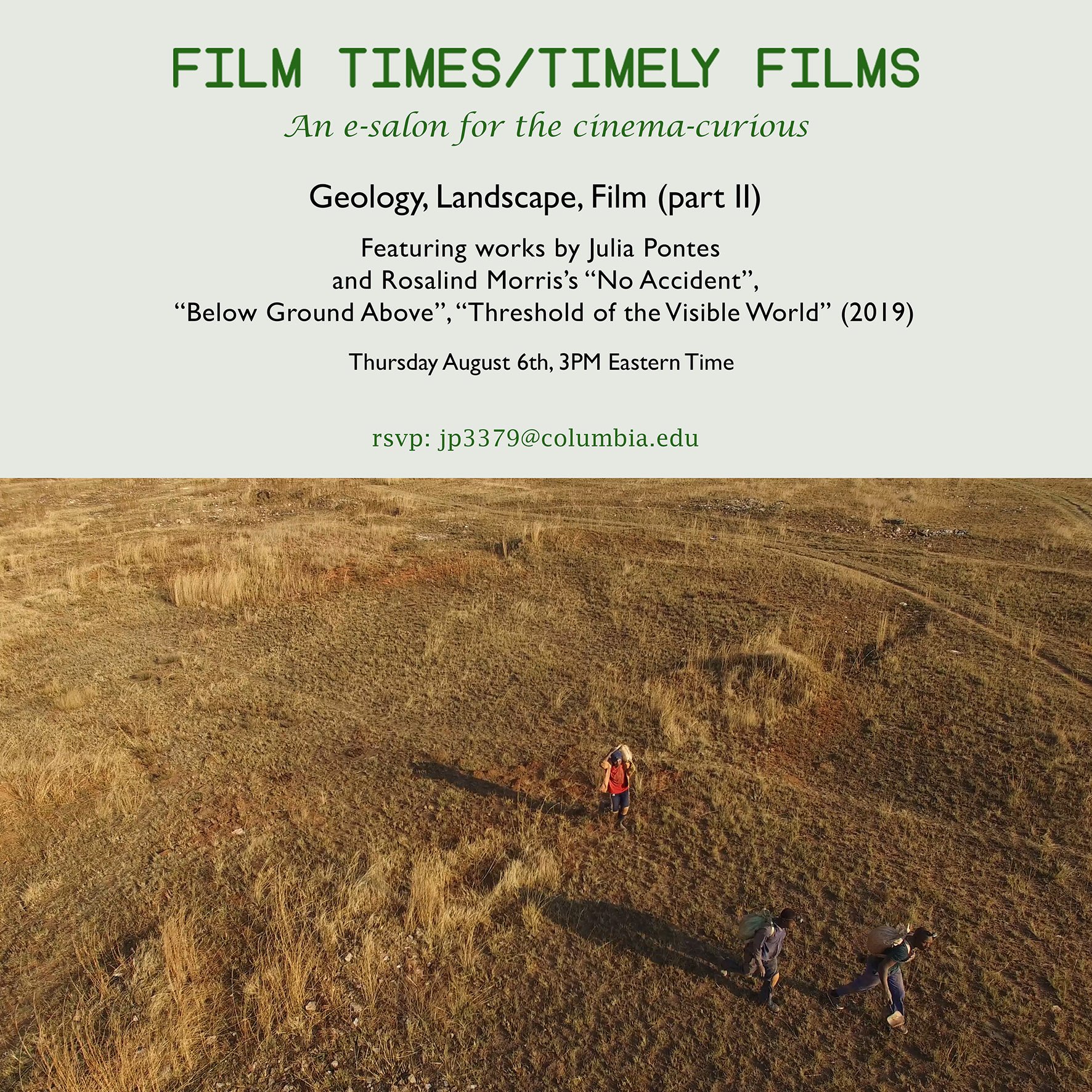
Film Times / Timely Films: An E-Salon for the Cinema-Curious | a short series co-curated by Rosalind Morris and Jasmine Pisapia, 2020.

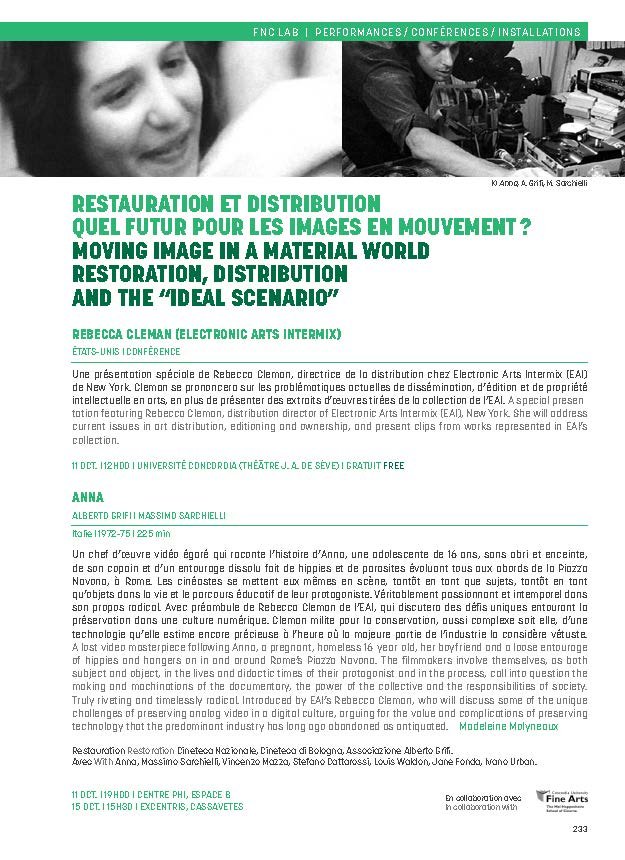
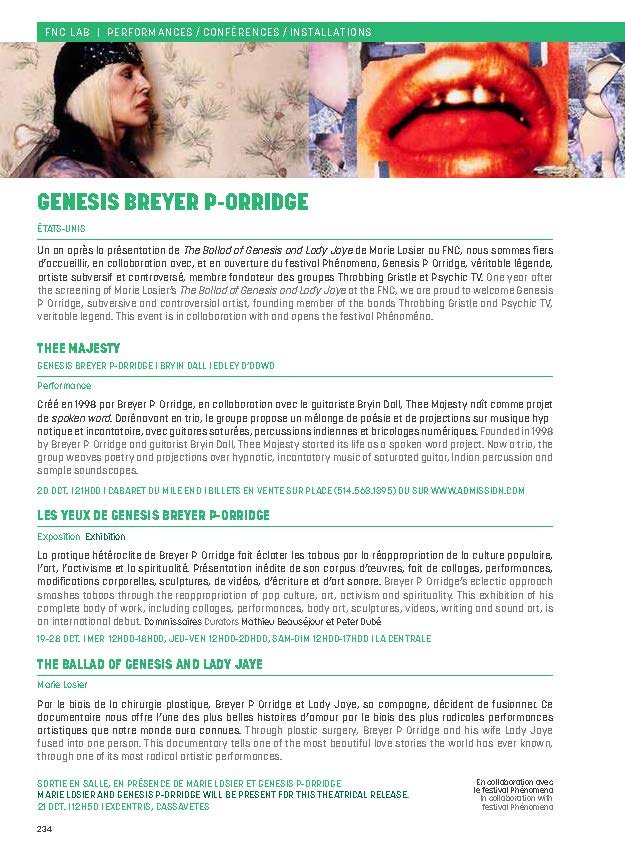
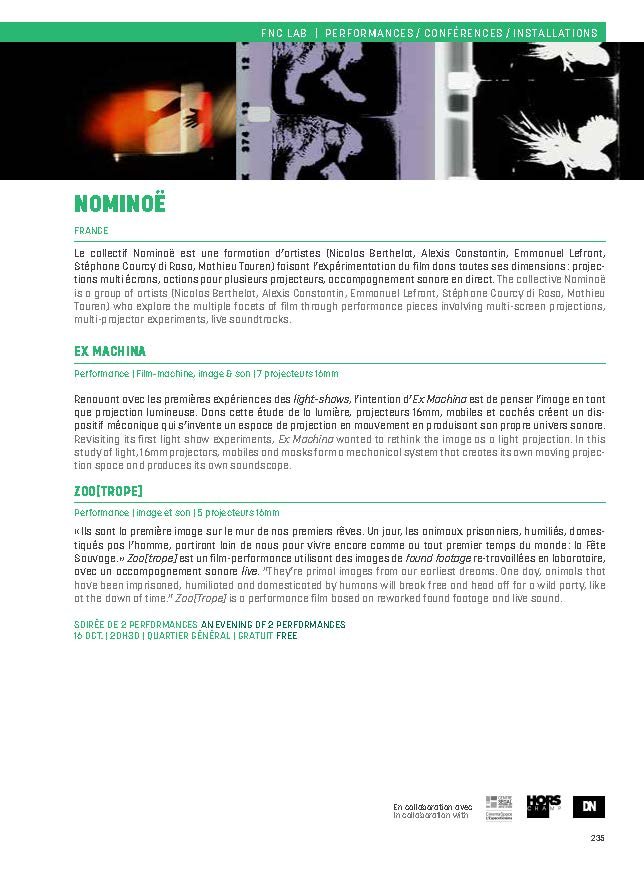
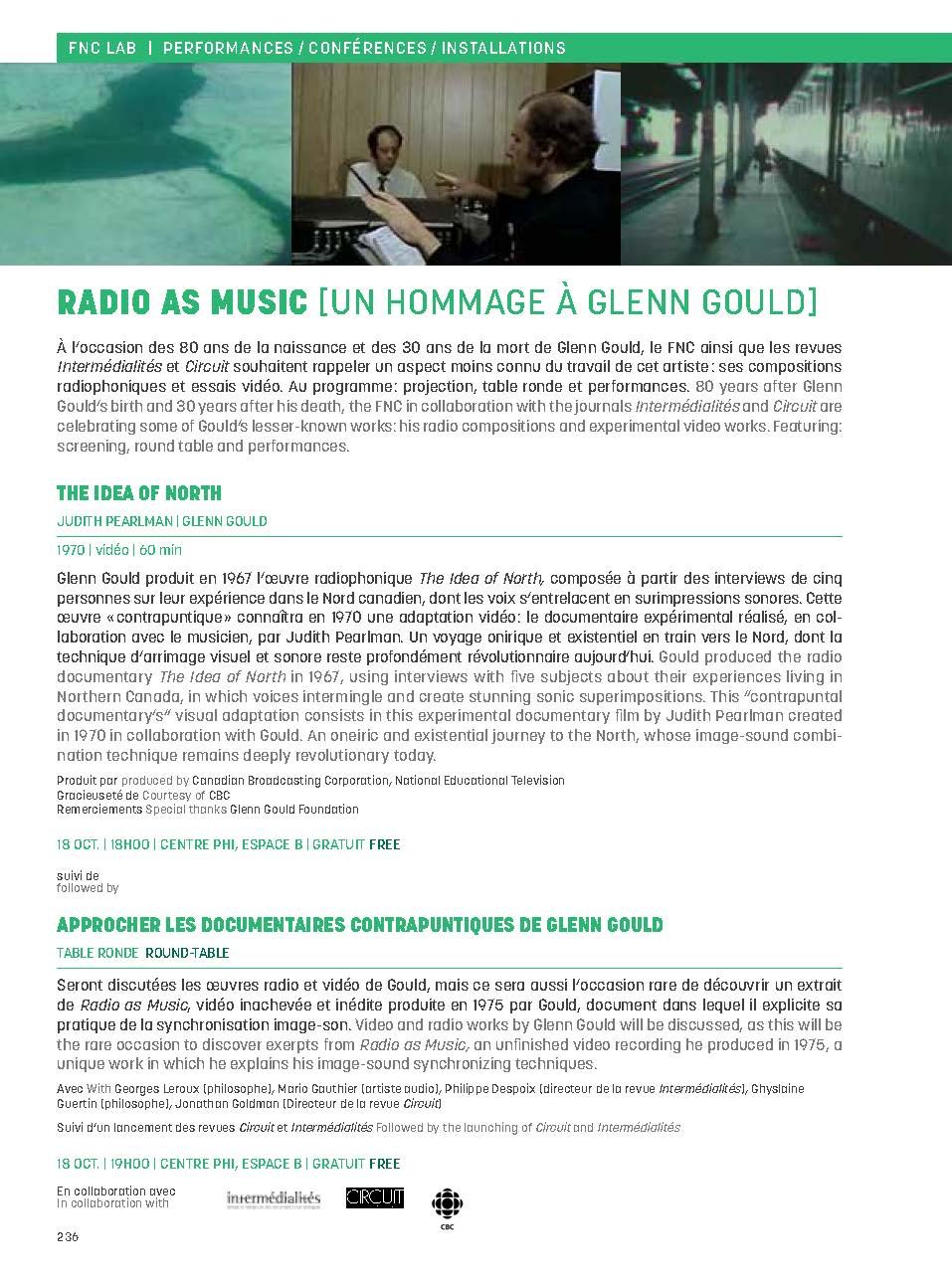
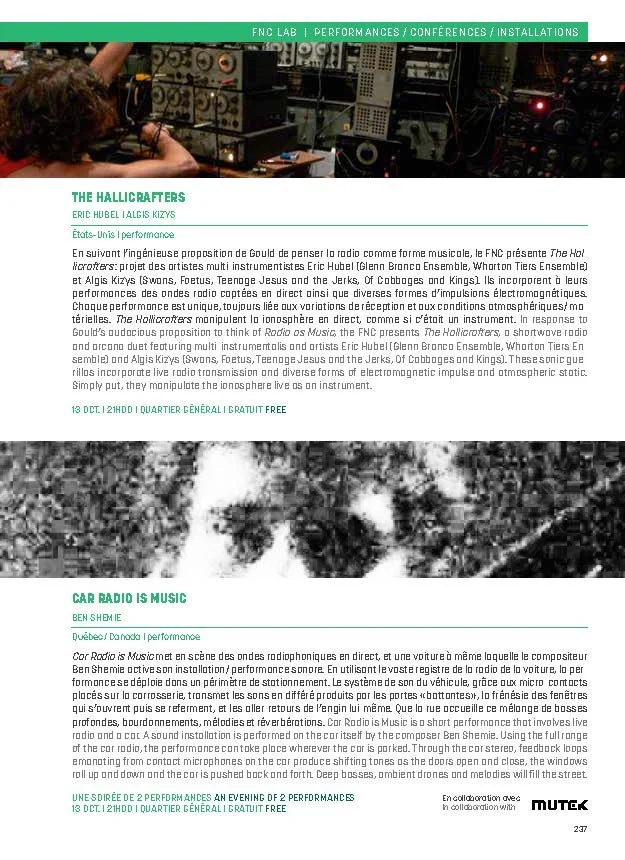
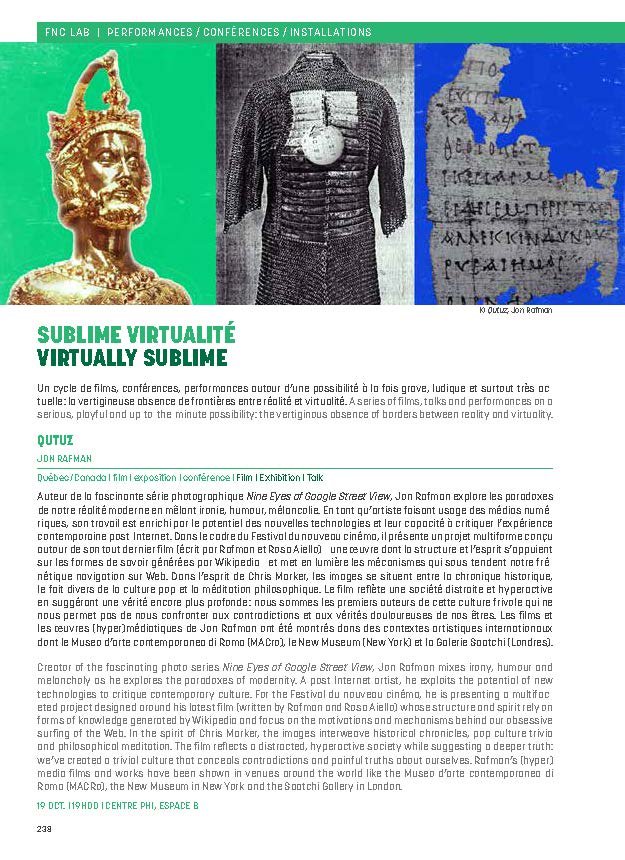
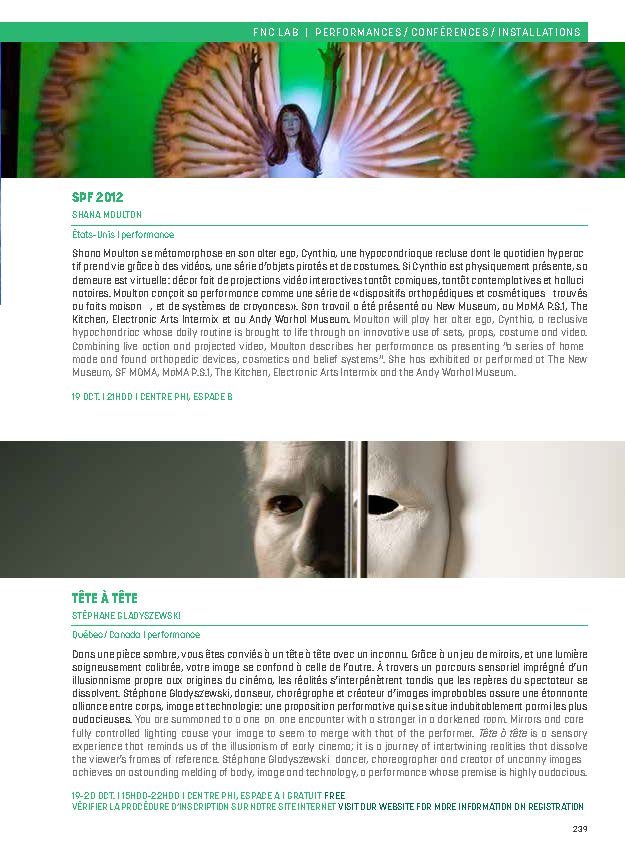
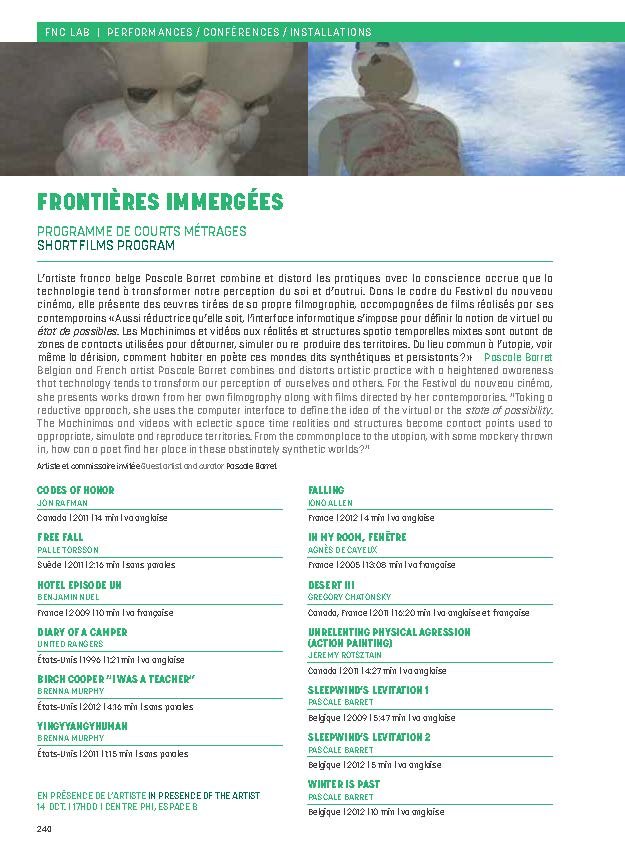
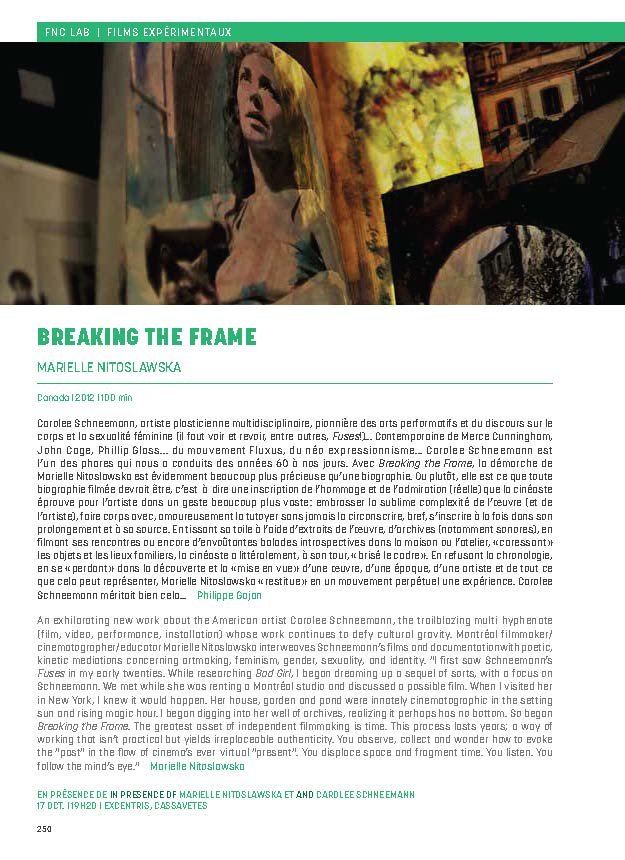
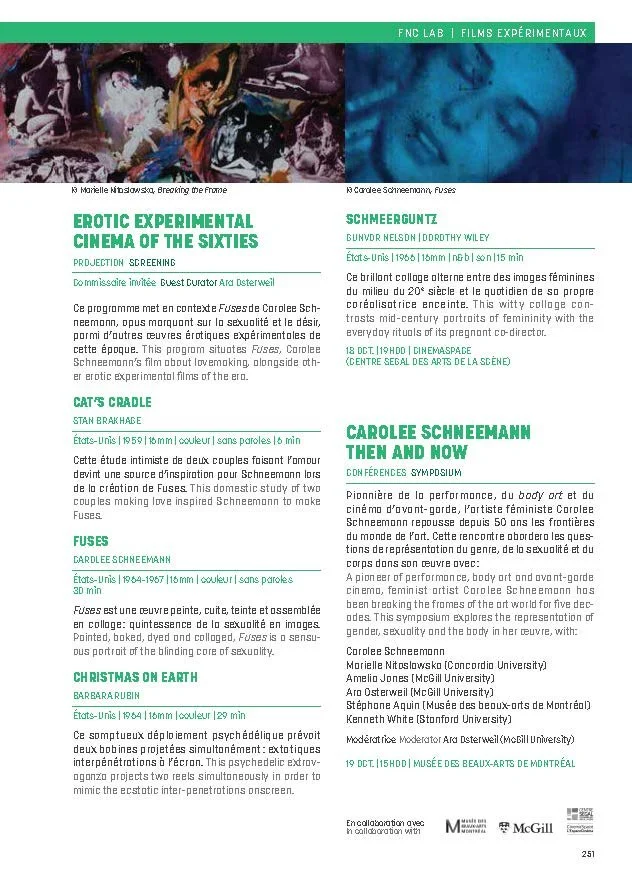
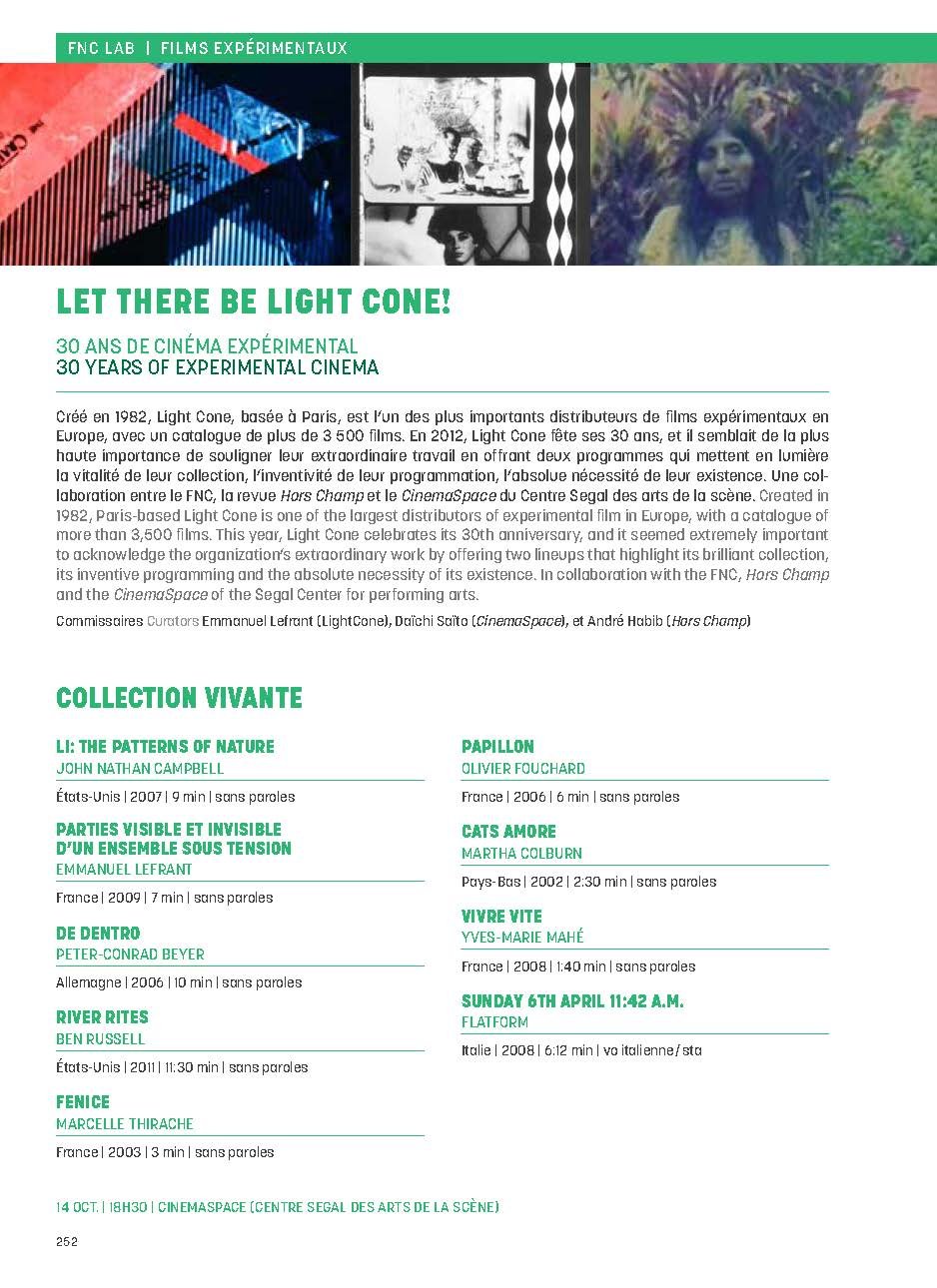
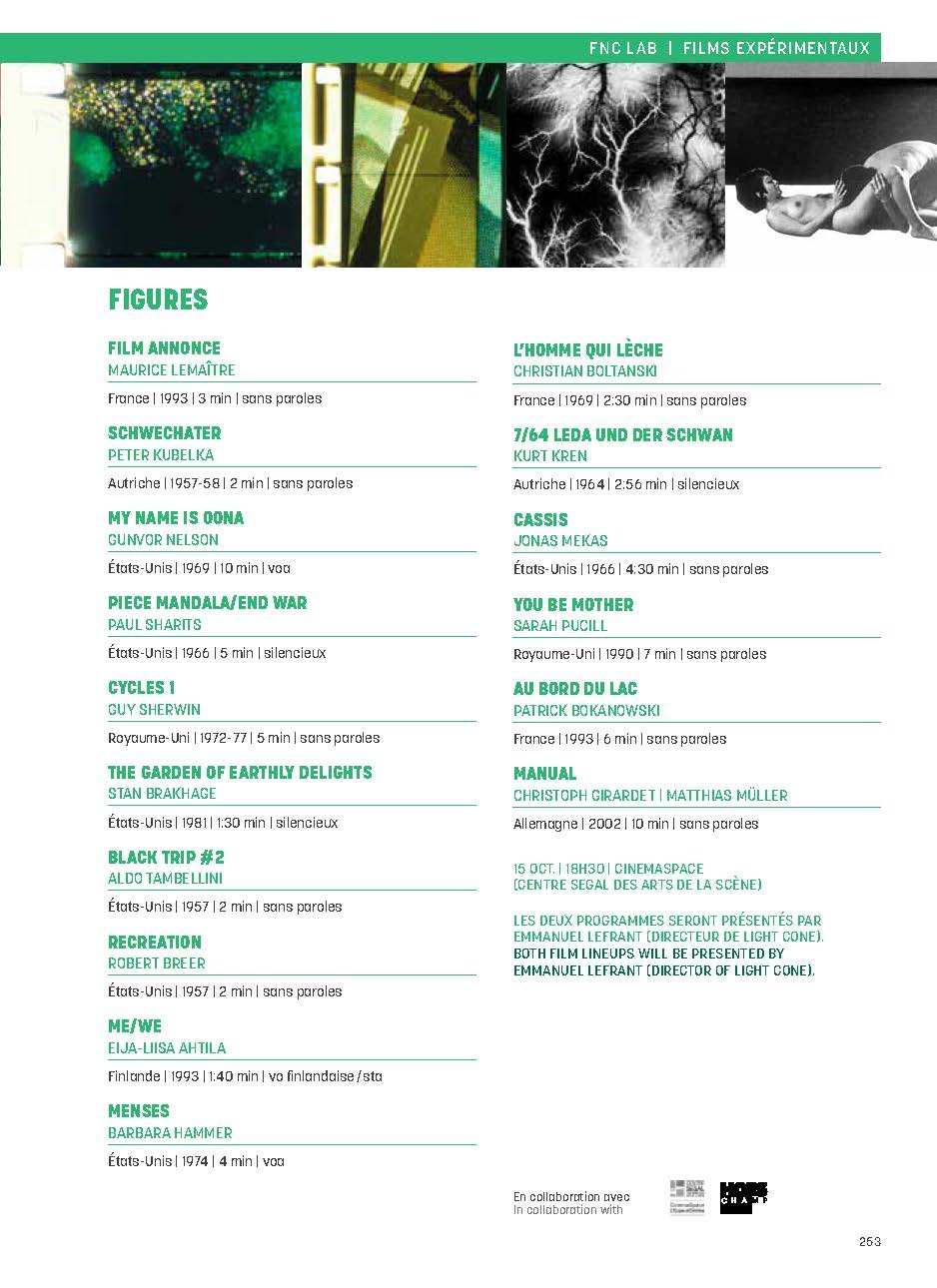
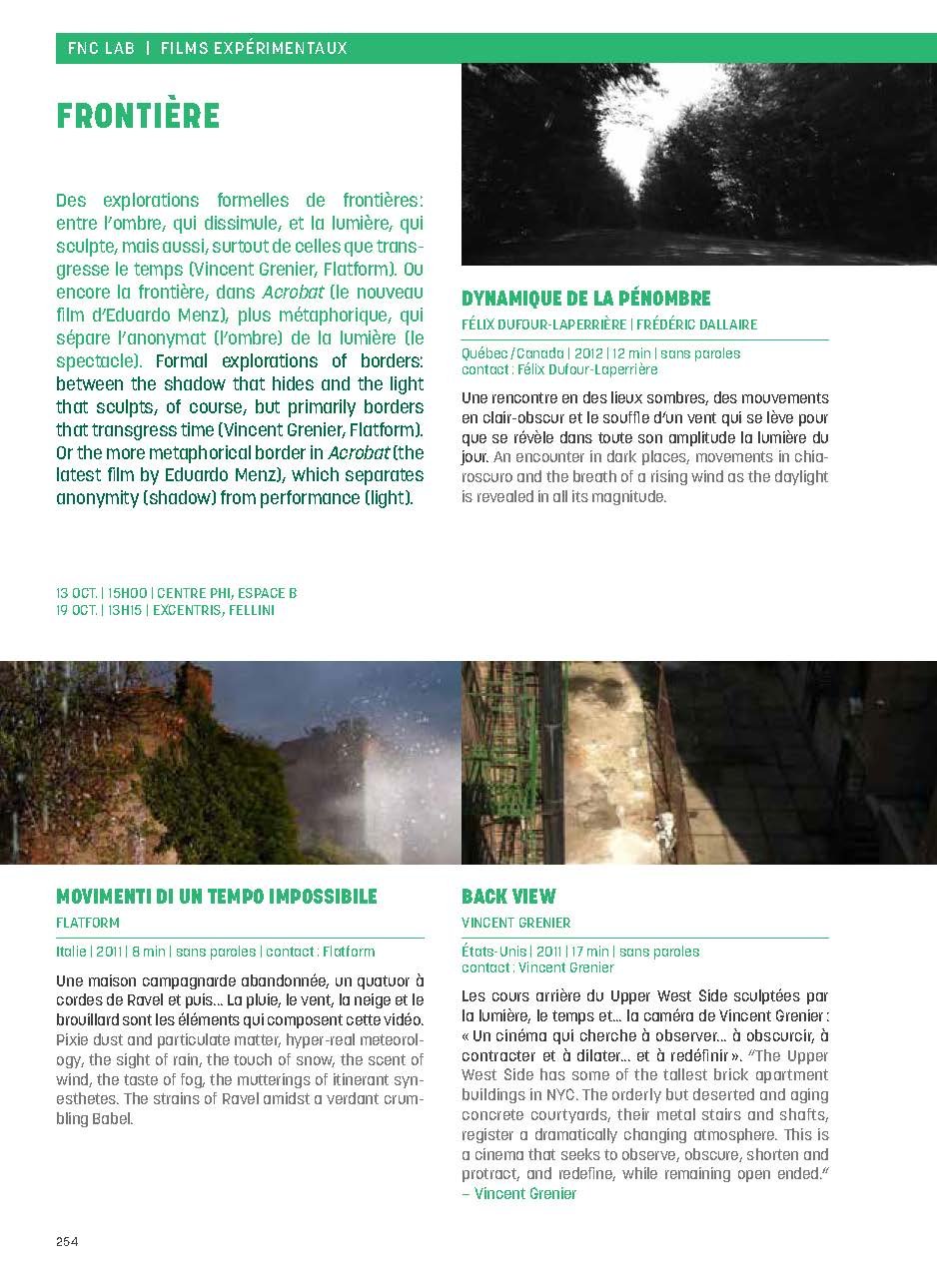
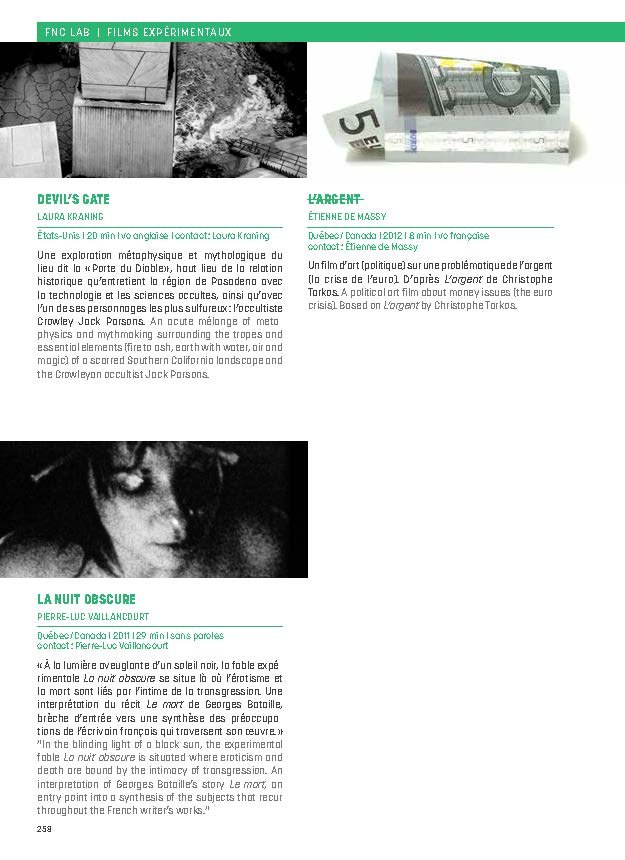
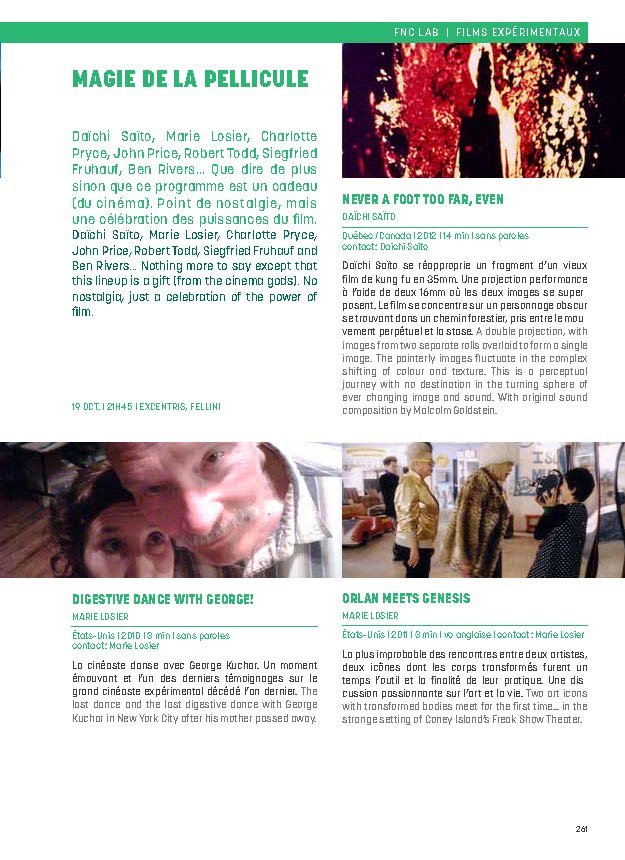
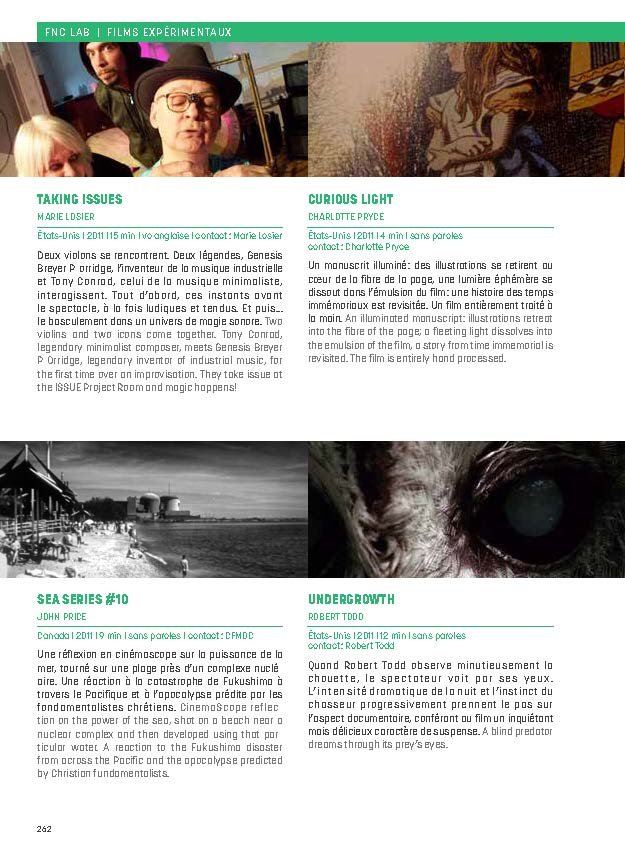
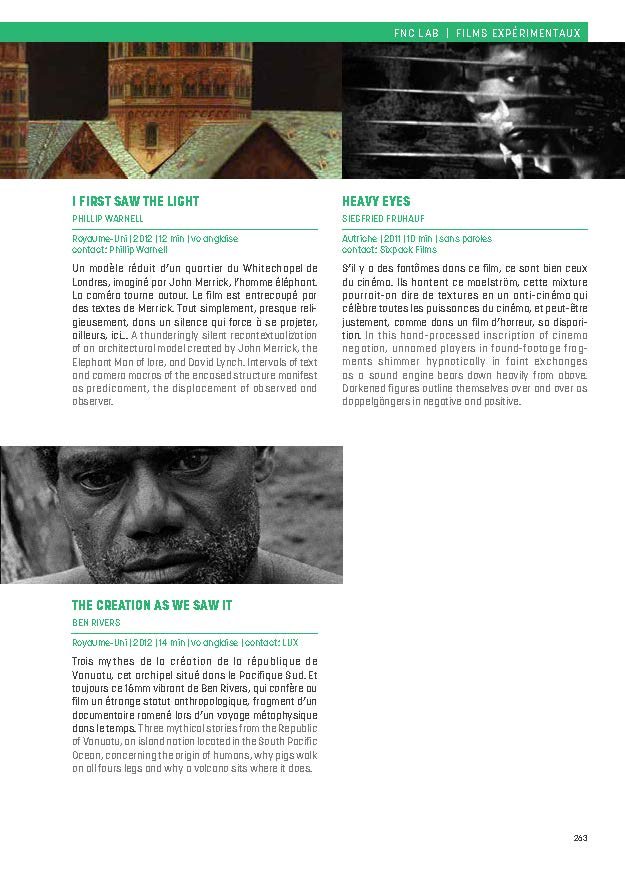
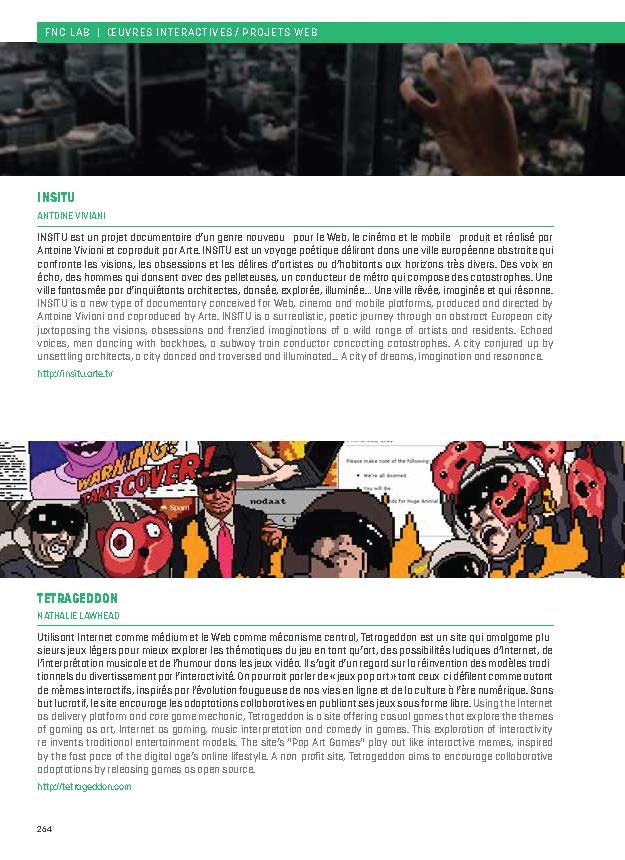
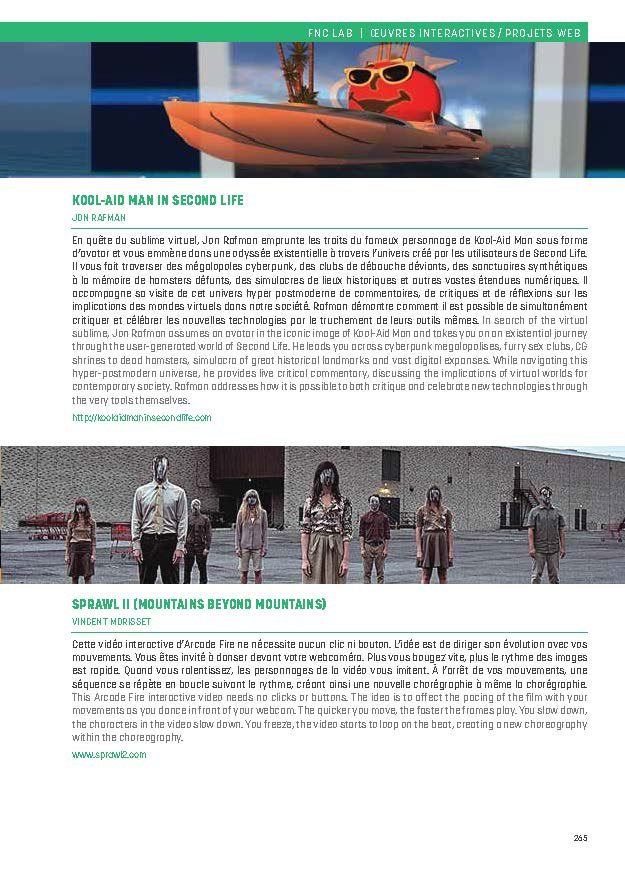
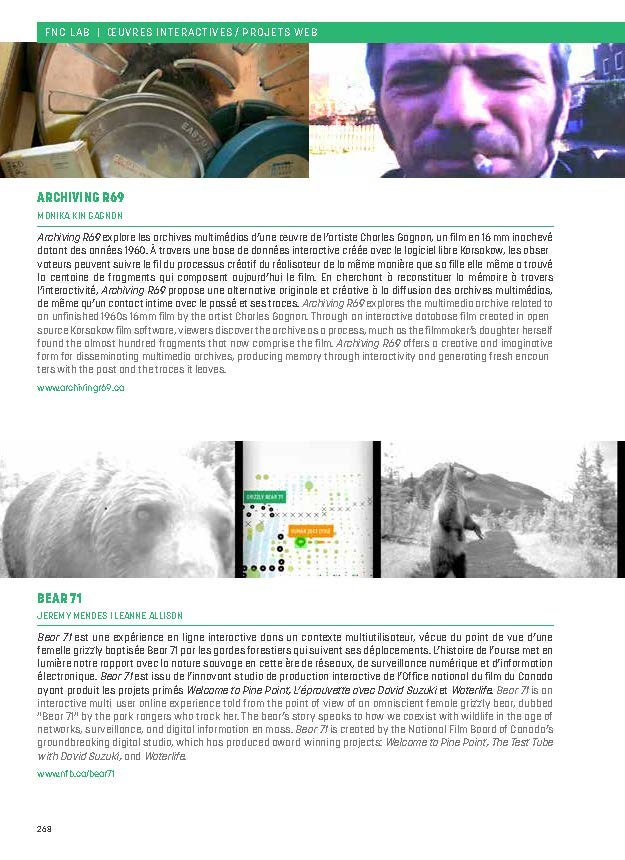
As a curator for the FNC Lab (2010-2013) at Montreal's established Festival du nouveau cinéma, I selected over 300 projects, including experimental films, live performances, web-based audiovisual works, installations, multiplatform/transmedia creations, and off-screen events such as art symposia and panels.
[more soon! page under construction]